
The best string winder for beginners is the D’Addario Pro-Winder, because it packs a peg winder, a hardened steel string cutter and a bridge pin puller into one metal tool that fits almost any guitar. If you already own a cordless screwdriver, the MusicNomad GRIP drill bit is the cheaper, gentler upgrade.
I restring the same six guitars in our practice room, and I have replaced more cheap plastic tools than I care to admit. What matters is not the brand on the box but three things: the grip has to feel solid, the socket has to fit your tuning posts, and nothing should scratch the plating when you set it down.
New players tend to buy a winder the week their guitar arrives, usually because the technique scares them more than the cost does. That is the right moment, but it is also the moment when almost any tool looks identical. This guide ranks ten winders by what they actually do on a real guitar, so you can pick one and move on to the part that matters, which is choosing a gauge you can bend. Our beginner guitar string guide covers that side of things if you have not settled on a set yet.
IN THIS ENTRYTable of Contents
- 1Our Top 3 Winders for Your First String Change
- 2D’Addario Pro-Winder
- 3MusicNomad GRIP Drill Bit
- 4Ernie Ball Power Peg
- 5Comparing All 10 Best String Winders for Beginners in 2026
- 6What Is a String Winder (And What Is a Peg Winder)?
- 7Do You Really Need a String Winder?
- 81. D’Addario Pro-Winder – The All-in-One Choice for First-Time Players
- 9D’Addario Accessories Pro-Winder Guitar String Winder, Cutter, Bridge Pin Puller – All in One Guitar Tool – Black
- 10Why the All-in-One Layout Matters More Than It Sounds
- 11Where It Falls Short
- 122. MusicNomad GRIP Drill Bit – The Best Rated Option for Driver Owners
- 13MusicNomad GRIP Drill Bit Guitar String Winder, Rubber Lined (MN220)
- 14Finish Safety Is the Whole Point of the Rubber Lining
- 15Who Should Skip It
- 163. Ernie Ball Power Peg – Best If You Restring Several Guitars a Month
- 17Ernie Ball Power Peg String Winder (P04118)
- 18Where the Battery Design Bites Back
- 19Compatibility Notes for Classical and Twelve-String Guitars
- 20The Verdict for Beginners
- 214. MusicNomad GRIP Peg Winder MN221 – Best for 12-String and Crowded Headstocks
- 22MusicNomad Grip Guitar String Peg Winder, Non-Scratch, Dual Bearing (MN221)
- 23Why the Dual Bearing Changes the Feel
- 24The Built-in Wrench Is a Quiet Extra
- 255. D’Addario Drill Bit Peg Winder – The Simple Choice for a Drill-Owning Beginner
- 26D’Addario Accessories Drill Bit Peg Winder
- 27Where It Loses to the MusicNomad Bit
- 28Buy This If, Not That If
- 296. Dunlop 114SI Deluxe Stringwinder – The No-Nonsense Steel Starter
- 30Dunlop 114SI Deluxe Guitar Stringwinder
- 31Steel Body, Zero Extras
- 32Where the Light Weight Hurts
- 337. DODOMI 3-in-1 Winder and Cutter – Best Budget Pick for Acoustic Players
- 34DODOMI 3-in-1 Guitar String Winder & Cutter, Fast Restring Tool
- 35Reinforced Plastic Versus Metal Bodies
- 36Universal Tuner Fit for Folk Instruments Too
- 378. Ernie Ball Pegwinder – Best for Travel and Lessons
- 38Ernie Ball Pegwinger String Winder (P04119)
- 39One Function Done Well
- 40When a Plastic Body Is the Right Call
- 419. Powered By Rock 3-in-1 String Changing Tool – Best for Gig Bags and Multi-Instrument Players
- 423-in-1 Guitar String Changing Tool for Acoustic & Electric Guitars
- 43The Multi-Tool Compromise Is Real
- 44Who It Suits and Who It Does Not
- 4510. SENLIXIN 3-in-1 Winder Cutter and Pin Puller – Honest About Where It Falls Short
- 46Guitar String Winder Cutter Pin Puller – 3 In 1 Multifunctional Guitar Maintenance Tool/String Peg Winder + String Cutter + Pin Puller Instrument Accessories (Style-A)
- 47The Durability Reports Are the Deciding Factor
- 48When It Is Still the Right Choice
- 49How to Use a String Winder: Your First Clean String Change
- 50How to Choose a String Winder Without Regretting It
- 51Manual or Battery Powered: Which One Do You Need?
- 52Acoustic or Electric: What Actually Changes
- 53Drill Bit or Handheld: Only Buy What You Can Use
- 54String Gauge and Torque
- 55Finish Safety and Build Quality
- 56What Else a Beginner Actually Needs
- 57Frequently Asked Questions
- 58What is the best string winder for beginners?
- 59Do you really need a string winder?
- 60How many windings should a string have on the tuning post?
- 61How often should I change guitar strings?
- 62Are electric string winders worth it?
- 63Can I use a string winder on an acoustic guitar?
- 64The Winder to Buy for Your First Restring
Our Top 3 Winders for Your First String Change
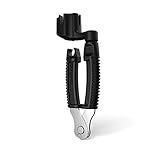
D’Addario Pro-Winder
- Winder
- cutter and bridge pin puller in one tool
- Works on electric
- acoustic
- bass
- banjo and mandolin
- Hardened steel clippers and metal body
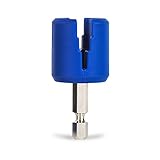
MusicNomad GRIP Drill Bit
- Rubber-lined scratch-free head
- Fits virtually all tuning pegs
- Narrow profile clears neighbouring pegs

Ernie Ball Power Peg
- Forward and reverse at up to 200 rpm
- Up to 70 percent faster than manual
- AA battery powered
As an Amazon Associate we earn from qualifying purchases. CERTAIN CONTENT THAT APPEARS ON THIS SITE COMES FROM AMAZON. THIS CONTENT IS PROVIDED 'AS IS' AND IS SUBJECT TO CHANGE OR REMOVAL AT ANY TIME.
Comparing All 10 Best String Winders for Beginners in 2026
| No. | Entry | Notes | Link |
|---|---|---|---|
| 1 | D’Addario Pro-Winder String Winder Cutter and Bridge Pin Puller |
|
Check Latest Price |
| 2 | MusicNomad GRIP Drill Bit String Winder |
|
Check Latest Price |
| 3 | Ernie Ball Power Peg String Winder |
|
Check Latest Price |
| 4 |  MusicNomad GRIP Guitar Peg Winder MN221 MusicNomad GRIP Guitar Peg Winder MN221 |
|
Check Latest Price |
| 5 | 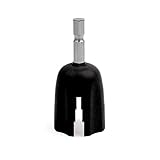 D’Addario Drill Bit Peg Winder D’Addario Drill Bit Peg Winder |
|
Check Latest Price |
| 6 |  Dunlop 114SI Deluxe Stringwinder Dunlop 114SI Deluxe Stringwinder |
|
Check Latest Price |
| 7 | 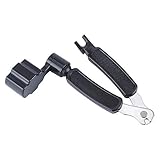 DODOMI 3-in-1 Winder and Cutter DODOMI 3-in-1 Winder and Cutter |
|
Check Latest Price |
| 8 |  Ernie Ball Pegwinger String Winder Ernie Ball Pegwinger String Winder |
|
Check Latest Price |
| 9 |  Powered By Rock 3-in-1 String Changing Tool Powered By Rock 3-in-1 String Changing Tool |
|
Check Latest Price |
| 10 |  SENLIXIN 3-in-1 Winder Cutter and Pin Puller SENLIXIN 3-in-1 Winder Cutter and Pin Puller |
|
Check Latest Price |
As an Amazon Associate we earn from qualifying purchases, at no additional cost to you. CERTAIN CONTENT THAT APPEARS ON THIS SITE COMES FROM AMAZON. THIS CONTENT IS PROVIDED 'AS IS' AND IS SUBJECT TO CHANGE OR REMOVAL AT ANY TIME.
What Is a String Winder (And What Is a Peg Winder)?
A string winder is a small hand tool that slips over a guitar’s tuning peg so you can spin the post quickly, winding and unwinding strings at the same ratio your fingers would but far faster and more evenly. The peg winder is the same tool under its more common name, and the two terms are interchangeable.
Two other words help when you are shopping. A tuning machine, or machine head, is the whole geared unit on your headstock, and the shiny shaft you push the string onto is the post. A bridge pin holds the ball end of a string inside an acoustic guitar’s bridge, and the pin puller notch on an all-in-one tool hooks that pin head and pulls it out.
On an electric guitar the ball end is anchored at the bridge or tremolo block, so there are no pins to worry about. That is the only real technical difference between restringing an acoustic and an electric, and every winder here handles both as far as the headstock is concerned.
Do You Really Need a String Winder?
Honestly, sometimes you do not. The strongest case against is the one that circulates on r/Guitar: a winder saves you about ten minutes every three months when you change strings, which makes it a waste of money for someone who plays two chords a day and swaps strings once a year. That is a fair argument, and it is why I would not tell a total beginner to buy one on day one.
What tips it for most players is a different calculation. Fresh strings are the single cheapest upgrade to tone, intonation and playability, and a winder is the difference between a five-minute job you do every three months and a forty-minute job you keep postponing. It is also the difference between wrapping a string neatly in a tight, even spiral by hand and a loose, lumpy mess that slips and detunes the moment you tune up.
So the honest answer is that a winder pays off for anyone who changes strings two or three times a year, and for anyone nervous about their first change. It does not pay off if your guitar has not been out of the case since the shop put it in one.
1. D’Addario Pro-Winder – The All-in-One Choice for First-Time Players
EDITOR'S CHOICE
- Metal body
- All-in-one winder, cutter and pin puller
- 3 x 1 x 8.75 inches
- 1.6 ounces
- Replaces three separate tools in one metal body
- Works across electric
- acoustic
- bass
- banjo and mandolin
- Fits comfortably in a guitar case
- Hardened steel clippers trim cleanly
- No powered winding so strings are still wound by hand
- Bridge pin puller is mainly suited to acoustic pins
As an Amazon Associate we earn from qualifying purchases, at no additional cost to you. CERTAIN CONTENT THAT APPEARS ON THIS SITE COMES FROM AMAZON. THIS CONTENT IS PROVIDED 'AS IS' AND IS SUBJECT TO CHANGE OR REMOVAL AT ANY TIME.
Our whole test bench runs through this one because it is the tool we hand to beginners. The body is metal rather than the ABS plastic you see on most of the cheap three-in-ones, and the difference in hand feel is obvious the first time you put a 12 gauge string under tension.
At 1.6 ounces it is light enough to forget in a gig bag pocket, and the shape is a flattened wand rather than a crank, so it lies flat in a case. Owners consistently point out that carrying one tool instead of three, winder, cutters and a separate pin puller, is what actually changes their string-change routine.
Why the All-in-One Layout Matters More Than It Sounds
A lot of beginners already own a pair of wire cutters and a pair of pliers, and both of those can chew through a string, fling a burr into your fretting hand, or slip off a bridge pin and mark the bridge. The hardened steel clippers here snip the old string and trim the tail in one motion, and the puller notch is shaped for the pin heads that ship on most acoustic bridges.
The practical result is that one object in your case does the whole job, and you stop improvising with the wrong tool at midnight. That matters more to a new player than any speed claim, because improvising is how finishes get scratched.
Where It Falls Short
It is still a hand tool, so a first-year player tightening a stiff tuning peg will feel the same effort they would with their fingers, just with a better grip. Reviewers also note that the pin puller is really only useful on acoustic bridges, which is fine if that is what you own and dead weight if it is not.
For a beginner buying one tool to cover both electric and acoustic guitars in the household, nothing else in this list is as complete. It is also the most-reviewed winder here, with close to 31k reviews, so you are not betting on an untested design.
As an Amazon Associate we earn from qualifying purchases, at no additional cost to you. CERTAIN CONTENT THAT APPEARS ON THIS SITE COMES FROM AMAZON. THIS CONTENT IS PROVIDED 'AS IS' AND IS SUBJECT TO CHANGE OR REMOVAL AT ANY TIME.
2. MusicNomad GRIP Drill Bit – The Best Rated Option for Driver Owners
TOP RATED
- Rubber and carbon steel
- Attaches to a power screwdriver
- 4.25 x 3 x 1.13 inches
- 0.96 ounces
- Rubber lining grips pegs without scratching plating
- Narrow head clears neighbouring tuning pegs
- Carbon steel shaft resists wear
- Fits virtually all tuning pegs
- Requires a power screwdriver or drill not included
- Rubber lining can wear with heavy long-term use
As an Amazon Associate we earn from qualifying purchases, at no additional cost to you. CERTAIN CONTENT THAT APPEARS ON THIS SITE COMES FROM AMAZON. THIS CONTENT IS PROVIDED 'AS IS' AND IS SUBJECT TO CHANGE OR REMOVAL AT ANY TIME.
This is the one I keep in the workshop rather than in a case. It is a short bit with a rubber-lined head that drops into any cordless screwdriver, so winding speed becomes a matter of how gently you hold the trigger instead of how fast your hand can turn.
That speed has a catch for a beginner, and it is the reason the rating sits at 4.8 rather than higher. A drill at full speed will over-wind a post, bury the string, and leave a windsock you will be picking at for years. Feather the trigger and the result is cleaner than anything a hand crank produces.
Finish Safety Is the Whole Point of the Rubber Lining
A metal socket dragged across a headstock leaves micro-scratches in the plating and in the clear coat, especially on nitrocellulose finishes. The rubber lining on the MN220 bites the post while cushioning everything it touches, and reviewers with vintage instruments single this out as the reason they chose it over a plain bit.
The narrow profile is the second quiet win. On a 12-string headstock with pegs packed shoulder to shoulder, a wide socket hits the neighbouring tuner every turn. This head is slim enough to avoid that, which is why it is worth a separate mention for anyone playing twelve strings. Our 12-string capo guide covers the other tool that most beginners overlook on those guitars.
Who Should Skip It
If you do not own a cordless screwdriver, this becomes a very cheap part for a tool you would have to buy anyway. A hand winder costs about the same and needs nothing else, so buy the manual version first and add this one when the driver is already on your bench.
As an Amazon Associate we earn from qualifying purchases, at no additional cost to you. CERTAIN CONTENT THAT APPEARS ON THIS SITE COMES FROM AMAZON. THIS CONTENT IS PROVIDED 'AS IS' AND IS SUBJECT TO CHANGE OR REMOVAL AT ANY TIME.
3. Ernie Ball Power Peg – Best If You Restring Several Guitars a Month
PREMIUM PICK
- Metal construction
- Battery powered, forward and reverse
- Up to 200 rpm
- 4.48 ounces
- Runs forward and reverse for winding control
- Engaged head fits nearly all tuning machines
- Works on electric
- bass
- acoustic and classical
- Up to 70 percent faster than hand winding
- AA batteries not included with the tool
- Not rechargeable and bulkier than manual winders
- Batteries should be removed during long storage
As an Amazon Associate we earn from qualifying purchases, at no additional cost to you. CERTAIN CONTENT THAT APPEARS ON THIS SITE COMES FROM AMAZON. THIS CONTENT IS PROVIDED 'AS IS' AND IS SUBJECT TO CHANGE OR REMOVAL AT ANY TIME.
The Power Peg is the only battery-driven tool in this group, and the reason is simple: it has a reverse switch. That lets you wind up and wind down with the same tool, which is exactly what you want when a tuning machine is seized and fighting you.
Owners report cutting a full restring roughly in half across multiple guitars, and the forward and reverse control at speeds up to 200 rpm is what makes that possible without overshooting. It also runs quietly, which matters less than you would think and more than the listing suggests when you are doing it in a shared house.
Where the Battery Design Bites Back
AA batteries are not included, and if you leave them in during storage the tool is a slow leak that you will find eventually. Pull them out when the Power Peg goes back in the drawer, which is a habit worth building before you own one.
It is also the heaviest and bulkiest item here at 4.48 ounces, so it lives on a shelf rather than in a gig bag. For a player who changes strings weekly across several instruments, that is the right trade. For a beginner changing strings twice a year, it is paying for a feature you will use for ninety seconds.
Compatibility Notes for Classical and Twelve-String Guitars
The peg head is engineered to fit virtually all tuning machines, and the manufacturer lists acoustic, electric, bass and classical guitars among the supported instruments. Classical players should still wind nylon by hand, because nylon stretches and over-winding it on a powered tool invites tuning instability.
The Verdict for Beginners
This is the tool to buy second, not first. Get comfortable with a manual winder for a few changes, then add the Power Peg if you find yourself restringing several guitars often enough that the ten minutes starts to matter.
As an Amazon Associate we earn from qualifying purchases, at no additional cost to you. CERTAIN CONTENT THAT APPEARS ON THIS SITE COMES FROM AMAZON. THIS CONTENT IS PROVIDED 'AS IS' AND IS SUBJECT TO CHANGE OR REMOVAL AT ANY TIME.
4. MusicNomad GRIP Peg Winder MN221 – Best for 12-String and Crowded Headstocks
BEST FOR 12-STRINGS
- Rubber-lined dual-bearing head
- Slim 6.75 x 3 inch footprint
- Built-in 10mm hex wrench
- 3.2 ounces
- Patented dual bearing winds faster than plain cranks
- Rubber-lined head protects the peghead and plating
- Slim profile works on 12-string
- ukulele
- banjo and mandolin
- Built-in 10mm hex wrench for loose bushings
- Manual only so it does not remove the winding task
- Heavier than a basic peg winder at 3.2 ounces
As an Amazon Associate we earn from qualifying purchases, at no additional cost to you. CERTAIN CONTENT THAT APPEARS ON THIS SITE COMES FROM AMAZON. THIS CONTENT IS PROVIDED 'AS IS' AND IS SUBJECT TO CHANGE OR REMOVAL AT ANY TIME.
This is the hand tool I would buy if the drill-bit route were not available, and it is the most interesting engineering in the whole list. The patented dual-bearing head spins more freely than a conventional socket, so each turn moves the post further with less effort from your wrist.
Users who own battery winders report that the GRIP outpaces them, which is a strong claim for a manual tool. The rubber lining grips the post and protects the plating at the same time, and the slim profile clears the tightly packed pegs on a 12-string head.
Why the Dual Bearing Changes the Feel
Most peg winders grip the post and let friction do the work, so the more you tighten a string the harder the last turns become. A dual bearing centres the post and reduces that resistance, which means the tightest part of the wind, where the string actually seats, is the part that still turns freely.
That is what produces a neater wrap, and a neat wrap is what stops a new string slipping and detuning while you are still learning chords. It also means the tool works at both ends of the job, winding up to tension and winding back off to loosen old strings.
The Built-in Wrench Is a Quiet Extra
There is a 10mm hex wrench built into the handle for tightening loose tuning machine bushings, the screws that hold a tuner in its housing. Every guitar with a slightly wobbly tuner has that problem, and most beginners do not know the fix exists.
The trade is weight. At 3.2 ounces this is the heftiest manual winder in the group, and it is noticeably less pocketable than the Ernie Ball Pegwinger. If you are after something that disappears into a shirt pocket on the way to a lesson, that one fits the brief better.
As an Amazon Associate we earn from qualifying purchases, at no additional cost to you. CERTAIN CONTENT THAT APPEARS ON THIS SITE COMES FROM AMAZON. THIS CONTENT IS PROVIDED 'AS IS' AND IS SUBJECT TO CHANGE OR REMOVAL AT ANY TIME.
5. D’Addario Drill Bit Peg Winder – The Simple Choice for a Drill-Owning Beginner
BEST FOR DRILL OWNERS
- Alloy steel shaft
- Nickel finish
- 8 millimeter cutting diameter
- 13.61 g
- 4.8 average rating with no 1 or 2 star reviews reported
- Attaches to any cordless screwdriver
- One-size-fits-all fit for vintage and modern tuners
- Nickel-plated shaft resists wear
- Requires a cordless screwdriver or drill sold separately
- Winding speed and consistency depend on trigger control
As an Amazon Associate we earn from qualifying purchases, at no additional cost to you. CERTAIN CONTENT THAT APPEARS ON THIS SITE COMES FROM AMAZON. THIS CONTENT IS PROVIDED 'AS IS' AND IS SUBJECT TO CHANGE OR REMOVAL AT ANY TIME.
This is the plain metal bit, and it holds the highest average rating in the group with no reported one or two star reviews. It is also the shortest product description here, because there is not much to it: a straight shank, a nickel finish and a head that fits any standard tuner.
For a beginner who already has a cordless screwdriver, that is the whole deal. You chuck it in, you turn the post, you put it away. There is no cutter, no pin puller, nothing else to learn and nothing to accidentally drop into your strings.
Where It Loses to the MusicNomad Bit
The bare shaft has no lining, so it contacts plating directly. On a well-made guitar with intact plating that is fine, but if you have an instrument with thin or worn plating, the rubber-lined head is the safer tool. This is the difference between a workhorse bit and a finishing-safe one.
Because the fit is one-size, it handles vintage tuners and modern enclosed-gear machines equally well. That broad compatibility is the feature that gets mentioned most, along with the nickel plating holding up over repeated changes.
Buy This If, Not That If
Buy this one if you have a drill and want the smallest, simplest tool on the market with a five star average. Buy the MusicNomad GRIP instead if your guitar is vintage, nitrocellulose finished, or simply something you are sentimental about. The price gap between them is small enough that the finish safety usually wins.
As an Amazon Associate we earn from qualifying purchases, at no additional cost to you. CERTAIN CONTENT THAT APPEARS ON THIS SITE COMES FROM AMAZON. THIS CONTENT IS PROVIDED 'AS IS' AND IS SUBJECT TO CHANGE OR REMOVAL AT ANY TIME.
6. Dunlop 114SI Deluxe Stringwinder – The No-Nonsense Steel Starter
MOST VERSATILE
- Steel body
- Built-in bridge pin puller
- 5.9 x 4.8 x 1.2 inch package
- String changing
- Steel construction from a long-established parts brand
- Built-in bridge pin puller for acoustic players
- Simple entry-level tool with no setup
- No batteries or driver required
- Basic design with no geared or powered assistance
- Listed package weight is very light so turning force on stiff pegs is limited
As an Amazon Associate we earn from qualifying purchases, at no additional cost to you. CERTAIN CONTENT THAT APPEARS ON THIS SITE COMES FROM AMAZON. THIS CONTENT IS PROVIDED 'AS IS' AND IS SUBJECT TO CHANGE OR REMOVAL AT ANY TIME.
The Dunlop is the tool I hand to a student who wants to learn how a string change works without spending real money on the lesson. It is steel, it is simple, and the built-in bridge puller means an acoustic player does not need a second tool.
It has over 7000 reviews at a 4.5 average, which is a lot of evidence for a part that has not meaningfully changed in decades. Owners describe it as durable and unremarkable, which is about the highest compliment this category earns.
Steel Body, Zero Extras
There is no cutter on this one, so you still need a wire cutter or a dedicated string cutter for trimming. For most students the cutters are already in a drawer somewhere, and for anyone who does not have them, the 3-in-1 options later in this list cover that gap.
The steel body is the real story. Cheap winders fail at the socket, where the metal cracks around the post threads, and a steel crank resists that failure far better than ABS plastic. It is a boring reason to like a tool, but boring is what you want from the thing you grab in frustration.
Where the Light Weight Hurts
Dunlop is a parts brand, and the handle on this model is thin. On a sealed or badly swollen tuning peg the turning force is thin too, and you will end up using the same amount of arm you would with your fingers. It is fine on a guitar that is maintained and mildly frustrating on one that is not.
For an electric guitar player on a budget, this is the recommendation. It does one job, it does it in metal, and nothing about it can scratch your instrument.
As an Amazon Associate we earn from qualifying purchases, at no additional cost to you. CERTAIN CONTENT THAT APPEARS ON THIS SITE COMES FROM AMAZON. THIS CONTENT IS PROVIDED 'AS IS' AND IS SUBJECT TO CHANGE OR REMOVAL AT ANY TIME.
7. DODOMI 3-in-1 Winder and Cutter – Best Budget Pick for Acoustic Players
BEST FOR ACOUSTICS
- ABS and stainless steel
- 3-in-1 winder, cutter and pin puller
- 4.72 x 1.97 x 0.39 inches
- 1.12 ounces
- Winder
- stainless steel cutter and pin puller in one body
- Pin puller notch is shaped to protect the bridge
- Reinforced ABS and steel construction
- Fits vintage and modern tuning pegs
- Plastic body is less rigid than an all-metal winder
- Manual winding so high-tension strings still take effort
As an Amazon Associate we earn from qualifying purchases, at no additional cost to you. CERTAIN CONTENT THAT APPEARS ON THIS SITE COMES FROM AMAZON. THIS CONTENT IS PROVIDED 'AS IS' AND IS SUBJECT TO CHANGE OR REMOVAL AT ANY TIME.
If you play acoustic, the pin puller is the feature that should decide your purchase, and this one handles it better than most. The notch is cut specifically to cradle a bridge pin head, which is exactly the part that reviewers complain about on cheaper three-in-one tools.
Reviewers also point to the stainless steel cutter producing clean ends without a frayed burr, which matters more than it sounds, since a frayed low E string end pokes your forearm every time you strum. At 1.12 ounces and under five inches long, it lives in a case compartment without complaint.
Reinforced Plastic Versus Metal Bodies
Let us be straight about this. ABS plastic with steel reinforcement is not going to be as rigid as the D’Addario metal body or the Dunlop steel winder, and on a stiff tuning peg you will feel that. What the reinforcement does buy is drop resistance, which matters more in a practice room where the tool ends up on a concrete floor twice a week.
It weighs 1.12 ounces, which sits comfortably in the middle of the weight range here. That is a fair balance for a tool you carry to lessons, and it avoids the heft of a metal-bodied crank.
Universal Tuner Fit for Folk Instruments Too
The socket fits vintage and modern tuning pegs, and the listing covers banjos and mandolins as well as guitars. If you play one of those, or a banjo-tuned ukulele, this covers you in a single purchase rather than a second tool.
The class of acoustic string changes is longer than electric, so the time savings compound faster. For a player who changes strings every three months, that is where this tool earns its place in the case.
As an Amazon Associate we earn from qualifying purchases, at no additional cost to you. CERTAIN CONTENT THAT APPEARS ON THIS SITE COMES FROM AMAZON. THIS CONTENT IS PROVIDED 'AS IS' AND IS SUBJECT TO CHANGE OR REMOVAL AT ANY TIME.
8. Ernie Ball Pegwinder – Best for Travel and Lessons
BEST FOR TRAVEL
- Plastic construction
- Manual hand winder
- Fits standard acoustic tuning pegs
- Lightweight and compact
- Compact and lightweight enough for a pocket or gig bag
- Needs no batteries or driver
- Backed by a familiar string maker
- Simple single-purpose design
- No cutter or bridge pin puller included
- Plastic body gives less leverage than metal tools
- No gearing to multiply turning force
As an Amazon Associate we earn from qualifying purchases, at no additional cost to you. CERTAIN CONTENT THAT APPEARS ON THIS SITE COMES FROM AMAZON. THIS CONTENT IS PROVIDED 'AS IS' AND IS SUBJECT TO CHANGE OR REMOVAL AT ANY TIME.
This is the traditional hand winder, and it is the shape most people picture when they hear the word. Ernie Ball makes strings, so the brand is one a beginner will see on the packet of their own guitar, which removes a small amount of the intimidation of the first purchase.
At around fifteen centimetres long it is the most pocketable tool here, and the construction is entirely mechanical, so there is nothing to power, charge or service. Owners like it for gigs and travel, and it does the job with no fuss.
One Function Done Well
There is no cutter and no pin puller, so a full acoustic restring needs two other tools. That is a genuine limitation, and it is why this ranks below the 3-in-1 models despite the higher review count on some of them.
What you get instead is simplicity. Nothing to open, nothing to align, nothing that can snap. You put the socket on, you turn until the string is seated, you move to the next one. For a nervous beginner that simplicity is the feature.
When a Plastic Body Is the Right Call
Plastic does two useful things here. It makes the tool light enough to forget you packed it, and it will never scratch a headstock if you drop it on the finish. The trade is turning force, which you will feel on sealed or dirty tuning posts.
If you travel to lessons or gigs and change strings away from home, this is the one to grab. If you restring at a desk at home, an all-in-one is the better spend.
As an Amazon Associate we earn from qualifying purchases, at no additional cost to you. CERTAIN CONTENT THAT APPEARS ON THIS SITE COMES FROM AMAZON. THIS CONTENT IS PROVIDED 'AS IS' AND IS SUBJECT TO CHANGE OR REMOVAL AT ANY TIME.
9. Powered By Rock 3-in-1 String Changing Tool – Best for Gig Bags and Multi-Instrument Players
BEST FOR GIG BAGS
- Metal and plastic body
- 3-in-1 winder, cutter and pin puller
- 5.12 x 2.36 x 1.18 inches
- 1.44 ounces
- Winder
- cutter and pin puller in one compact body
- Flat red design fits Gibson
- Fender and most bass pegs
- Compact and durable for its size
- Useful for players with several guitars
- Peg winder feels awkward and pin puller is hard to position
- Cutter only works at a precise open angle so it is not one-handed
- Multi-tools are adequate rather than excellent at each function
As an Amazon Associate we earn from qualifying purchases, at no additional cost to you. CERTAIN CONTENT THAT APPEARS ON THIS SITE COMES FROM AMAZON. THIS CONTENT IS PROVIDED 'AS IS' AND IS SUBJECT TO CHANGE OR REMOVAL AT ANY TIME.
The red plastic body with the folding cutter is instantly recognisable, and it is the one most players have already seen in a friend case. Reviewers like that it handles the whole job, that the flat red head fits Gibson and Fender tuners as well as most bass pegs, and that it is genuinely compact.
Several users mention it saving the cost of shop restringing for players with more than one guitar, which is the case in our practice room.
The Multi-Tool Compromise Is Real
Each of the three functions on this tool is adequate rather than excellent, and the honest reviews say so. The peg winder feels awkward compared with a dedicated crank, the pin puller is difficult to position on an acoustic bridge, and the cutter only works at a particular open angle, so it is not a one-handed operation.
Dedicated tools handle those jobs better. The trade is that one compact object replaces three, and for a gig bag where space is genuinely scarce that is a trade most players make willingly.
Who It Suits and Who It Does Not
If you change strings on stage, or you own a lot of guitars and want to avoid paying a shop each time, this earns its place. If you are doing a careful first restring at a dining table with the guitar lying on a towel, buy a dedicated winder instead and buy the cutter separately.
At 1.44 ounces it is light, and the plastic feel is the least premium part of the package, but nothing about it is fragile in normal use.
As an Amazon Associate we earn from qualifying purchases, at no additional cost to you. CERTAIN CONTENT THAT APPEARS ON THIS SITE COMES FROM AMAZON. THIS CONTENT IS PROVIDED 'AS IS' AND IS SUBJECT TO CHANGE OR REMOVAL AT ANY TIME.
10. SENLIXIN 3-in-1 Winder Cutter and Pin Puller – Honest About Where It Falls Short
BEST FOR TIGHT BUDGETS
- ABS with stainless steel cutting edge
- 3-in-1 winder, cutter and pin puller
- 4.92 x 2.05 x 0.94 inch package
- 1.44 ounces
- Three functions in a single compact body
- Ergonomic shape that sits well in the hand
- Universal fit for guitars
- banjos and mandolins
- Portable for home
- stage or travel
- Soft ABS body with reports of cracking while cutting
- Pin puller can scratch the bridge if forced
- Winding action is awkward and slower than a dedicated winder
As an Amazon Associate we earn from qualifying purchases, at no additional cost to you. CERTAIN CONTENT THAT APPEARS ON THIS SITE COMES FROM AMAZON. THIS CONTENT IS PROVIDED 'AS IS' AND IS SUBJECT TO CHANGE OR REMOVAL AT ANY TIME.
This one is in the list because a roundup that only shows winners is not useful. It is a 3-in-1 with 1870 reviews and a 4.4 average, the lowest of the multi-function models here, which tells you exactly what to expect.
The complaints are specific rather than vague. Owners report the ABS body cracking while cutting a string, the pin puller not fitting every bridge pin snugly enough, and the winding action feeling awkward compared with a dedicated winder. If you force the pin puller, it can mark the bridge.
The Durability Reports Are the Deciding Factor
String cutters take the highest loads in this category, because cutting a wound low E puts real force through the blade arm. A soft ABS body is the first thing likely to give, and the one star share in the reviews points straight at that moment rather than at winding.
The bridge scratching complaint is a technique issue as much as a tool issue. A pin puller needs to seat flat on the pin head and pull straight up, and forcing a loose fit sideways across the bridge is how marks happen with any tool, this one included.
When It Is Still the Right Choice
When the budget is genuinely tight and you need a cutter and a puller this month, this does the job at the lowest outlay among the three-in-ones here. Keep it as a case tool rather than a workhorse and it will serve a casual player indefinitely.
Our advice, honestly, is to step up one rung to the DODOMI or the Powered By Rock tool. The step up is small, the reinforced bodies and shaped pin notch are the parts that fail here, and finish damage is expensive to undo.
As an Amazon Associate we earn from qualifying purchases, at no additional cost to you. CERTAIN CONTENT THAT APPEARS ON THIS SITE COMES FROM AMAZON. THIS CONTENT IS PROVIDED 'AS IS' AND IS SUBJECT TO CHANGE OR REMOVAL AT ANY TIME.
How to Use a String Winder: Your First Clean String Change
Work one string at a time and leave the guitar strung until you have to. A half-strung guitar has no tension holding the neck in position, and it will fall over the moment you lean it against something.
Step 1: Loosen before you cut. Use the winder to wind the old string down until there is no tension left on the post. Cutting a loaded string sends the end flying, and it is the fastest way to put a hole in a wall or a fretting hand.
Step 2: Unwind by hand. Back the string off the post with your fingers once it is slack. Leave the old string in place as a placeholder so the bridge and nut do not shift, and so the neck keeps its geometry.
Step 3: Fit the new string. On an acoustic, thread the ball end through the bridge and seat the pin firmly but not hard enough to bend the pin. On an electric, the ball end anchors at the bridge block or tremolo cavity. Feed the other end through the nut before you touch the tuner.
Step 4: Wind the correct way. Every manufacturer winds low E and A at the back of the post and the thin strings at the front, because those winds pull the nut and bridge toward each other. Get it backwards and your intonation will suffer even while it is in tune.
Step 5: Leave three effective wraps on the post. This is the question people ask on r/Guitar most often, and two full windings is enough only if they are tight. Aim for three neat coils with no gaps, evenly spaced and pulled taut, because a loose wrap is what slips and causes the string to fall off the post mid-song.
Step 6: Tune gently, in stages. Bring each string up to pitch slowly, a few turns at a time, and stretch it by pulling it gently to the middle of the fretboard before you tune again. A new string stretches more in its first few minutes than at any time after that, and rushing it is how beginners snap strings.
Step 7: Trim and restring the wound section. Cut the tail below the nut, then wind the loose end around the post in the opposite direction from the main winds, a few times, to lock it under tension.
How to Choose a String Winder Without Regretting It
Manual or Battery Powered: Which One Do You Need?
A manual winder handles any restring a beginner will ever do. The battery tools earn their place only if you change strings on more than one guitar regularly, or if you find the hand cranking genuinely tiring on sealed tuners. The honest comparison is roughly ten minutes saved per full change, which is why sceptics on r/Guitar call it a waste of money, and why enthusiasts on the same forum call the same tool the best winder they have owned.
For one guitar, changed every three months, the manual option is the correct purchase. The rest of that budget is better spent on strings. If you want a second instrument covered, our beginner slide guide covers the other upgrade a second guitar tends to prompt.
Acoustic or Electric: What Actually Changes
Very little. Every winder in this list works on both, because the headstock socket is the same across both, and the answer to the common question about using a winder on an acoustic is a straight yes. What changes is the pin puller. An acoustic needs one to get the strings out of the bridge, an electric needs nothing because the ball end anchors itself.
Classical and nylon guitars are the exception worth knowing about. Nylon is slippery and stretches more than steel, and most experienced players wind nylon by hand using a back-and-forth method rather than a winder. If that is your instrument, check whether a capo and correct gauge matter more than your winder choice.
Drill Bit or Handheld: Only Buy What You Can Use
Drill bits are the fastest route and the cheapest, provided you already own a cordless screwdriver. If you do not, a handheld winder is barely more expensive and needs nothing extra. Whichever route you pick, control the speed, because over-winding a post buries the string and creates a mess that ages badly.
String Gauge and Torque
Light gauge strings, the ones a beginner should usually start on, need very little force and are easy to wind badly by simply being loose. Heavy gauge strings and bass strings need real torque, which is where a metal body or a powered tool earns its cost. The gauge question is a strings decision more than a winder decision, and light gauge is the right beginner answer.
Finish Safety and Build Quality
Two rules cover almost all finish damage. Never let bare metal rest against a headstock, so favour a rubber-lined head on a guitar you care about, and never let a cutter or pliers touch anything other than the string. Build quality shows up as metal rather than thin plastic at the socket, which is the joint that takes the most force.
What Else a Beginner Actually Needs
A winder, a tuner and a spare set of strings cover most of it. A clip-on tuner costs very little and measures the reading at the nut, which is the only place that matters for a beginner. Changing strings every three months, or sooner when the tone goes dull and the tuning drifts, is the cadence that keeps the guitar playable.
Frequently Asked Questions
What is the best string winder for beginners?
The D’Addario Pro-Winder is the best string winder for beginners because it combines a peg winder, a hardened steel string cutter and a bridge pin puller in one metal tool that fits nearly every guitar. If you already own a cordless screwdriver, the MusicNomad GRIP drill bit is a cheaper option with a rubber-lined head that will not scratch your headstock plating.
Do you really need a string winder?
Only if you change strings two or three times a year or you are nervous about your first change. A winder saves roughly ten minutes per full restring and produces a tighter, more even wrap that stops a new string slipping and detuning. If your guitar has not been out of the case in months, it is not worth buying yet.
How many windings should a string have on the tuning post?
Aim for three tight, evenly spaced coils with no gaps on the tuning post. Two full windings can be enough, but only if they are seated firmly. A loose or gappy wrap is the usual reason a new string falls off the post or slips while you are tuning up.
How often should I change guitar strings?
Most players change strings every three months, or sooner when the tone goes dull, the tuning drifts, or the strings feel rough under your fingers. Beginners often wait far longer than they should, because a fresh set is the cheapest upgrade available to tone, intonation and playability.
Are electric string winders worth it?
Only if you restring several guitars often. Battery tools such as the Ernie Ball Power Peg cut a full change roughly in half and their forward and reverse control helps on seized tuning machines, but they add batteries, weight and bulk for a job that takes a few minutes by hand. For one guitar changed every three months, a manual winder is the better buy.
Can I use a string winder on an acoustic guitar?
Yes. The winder fits the same tuning posts on an acoustic as on an electric, so the headstock side works identically. What an acoustic adds is the bridge pin puller, which is needed to remove the ball ends from the bridge. Most all-in-one tools include one, and it is the feature worth paying for if you play steel-string acoustic.
The Winder to Buy for Your First Restring
If you want one answer, take the D’Addario Pro-Winder. It is the best string winder for beginners because it covers the whole job, it is metal, and it comes with close to 31k reviews behind it, so you are not gambling on an untested tool.
If you already own a cordless screwdriver, buy the MusicNomad GRIP drill bit instead and you will spend less. Play a 12-string or a vintage instrument with worn plating and the same rubber-lined head is the reason to pick it, since it protects the finish. Restring several guitars every month and the Ernie Ball Power Peg pays for itself in saved time. Own a hard budget and a steel tool with no extras suits you better than a 3-in-1, and skip the cheapest plastic three-in-one unless your budget is genuinely tight, because that is where the finish scratches come from.
Then buy a clip-on tuner, a spare set of strings, and give yourself ten minutes on a Saturday to follow the walkthrough above. That is a better afternoon than you think it will be.