
The Focusrite Scarlett Solo 3rd Gen is often considered the best portable audio interface under $150. It’s compact, bus-powered, and pairs an XLR mic preamp with a Hi-Z instrument input. After 30 days of hands-on testing across vocals, guitar, and podcast workflows, our team confirmed it delivers the cleanest balance of sound quality, reliability, and value in this price range.
I spent the past month running eight portable audio interfaces through real recording sessions. Solo vocalists, singer-songwriters, podcasters, streamers, and mobile creators all passed signals through these boxes. The goal was simple: find the best portable audio interfaces under $150 that actually hold up when you sit down to record, not just when you read the spec sheet.
Every unit on this list sits comfortably under the $150 ceiling. All are bus-powered, meaning no wall adapter needed, and most fit in a laptop bag. We focused on the criteria that actually matter for creators: preamp transparency, direct monitoring, latency, gain headroom for dynamic mics, and software bundles that don’t expire after 30 days. Below are our top 3 picks before we dive into all eight reviews.
If you’re also shopping for a Mac-specific setup, our guide to the best audio interfaces for Mac pairs nicely with this roundup. For podcasters specifically, the podcasting interface guide covers dedicated options.
IN THIS ENTRYTable of Contents
- 1Our Top 3 Tested Portable Audio Interfaces for 2026
- 2Focusrite Scarlett Solo…
- 3Arturia MiniFuse 1
- 4M-Audio M-Track Solo
- 5Comparing the Best Portable Audio Interfaces under $150 in 2026
- 61. Focusrite Scarlett Solo 3rd Gen – Best Overall Pick for Solo Creators
- 7Focusrite Scarlett Solo 3rd Gen USB-C Audio Interface
- 8Preamps and Gain Headroom
- 9Direct Monitoring and Latency
- 10Software Bundle and Connectivity
- 112. Behringer UMC22 – Best for Dynamic Microphones on a Budget
- 12Behringer UMC22 Audiophile 2×2, 48 kHz USB Audio Interface with Midas Mic Preamplifier | For Recording Microphones and Instruments
- 13Driver Setup on Windows
- 14Build Quality and Latency
- 15Who Should Buy This
- 163. IK Multimedia iRig 2 – Best Mobile Guitar Interface for iOS
- 17IK Multimedia iRig 2 portable guitar audio interface, lightweight audio adapter for iPhone and iPad with instrument input and headphone/amplfier outs
- 18iOS Compatibility and Setup
- 19Sound Quality and Use Cases
- 20Who Should Buy This
- 214. M-Audio M-Track Solo – Best Budget Streaming Interface
- 22M-AUDIO M-Track Solo USB Audio Interface
- 23Crystal Preamp Performance
- 24Direct Monitoring and Output
- 25Build and Long-Term Use
- 265. M-Audio M-Track Duo – Best for Two-Source Podcasting
- 27M-AUDIO M-Track Duo USB Audio Interface
- 28Two-Channel Recording Workflow
- 29Software and Value
- 30Where the M-Track Duo Falls Short
- 316. PreSonus AudioBox 96 – Best for Music Production with MIDI
- 32PreSonus AudioBox 96 25th Anniversary USB Audio Interface
- 33MIDI I/O and Studio One Integration
- 34Mixer Knob and Direct Monitoring
- 35Who Should Buy This
- 367. Audient EVO 4 – Best for Streaming and Content Creators
- 37Audient EVO 4 USB Audio Interface
- 38Loopback for Streaming
- 39Smart Gain and Beginner Workflow
- 40Build and Quirks
- 418. Arturia MiniFuse 1 – Best Value with Software Bundle
- 42Arturia MiniFuse USB Audio & MIDI Interface, MiniFuse 1
- 43Loopback and USB Hub
- 44Software Bundle Breakdown
- 45Setup Steps and Quibbles
- 46How to Choose the Best Portable Audio Interface under $150
- 47How Many Inputs Do You Actually Need
- 48Preamps and Gain: The SM7B Problem
- 49Direct Monitoring and Latency
- 50Connectivity: USB-C vs USB 2.0
- 51Software Bundle and DAW Inclusion
- 52iPad and iPhone Class-Compliant Workflow
- 53Portability: Weight and Bus Power
- 54Frequently Asked Questions
- 55What is the best inexpensive audio interface?
- 56What is the cheapest and best audio interface?
- 57What is the best portable audio interface?
- 58What is the best audio interface for under $100?
- 59Which is better, the Focusrite Scarlett Solo or the Universal Audio Volt 1?
- 60Is Scarlett Solo 4th gen worth it?
- 61Do I need an audio interface to record vocals?
- 62What does 2 in 2 out mean on an audio interface?
- 63Final Verdict: Which Portable Audio Interface under $150 Should You Buy
Our Top 3 Tested Portable Audio Interfaces for 2026
As an Amazon Associate we earn from qualifying purchases. CERTAIN CONTENT THAT APPEARS ON THIS SITE COMES FROM AMAZON. THIS CONTENT IS PROVIDED 'AS IS' AND IS SUBJECT TO CHANGE OR REMOVAL AT ANY TIME.
Comparing the Best Portable Audio Interfaces under $150 in 2026
| No. | Entry | Notes | Link |
|---|---|---|---|
| 1 |  Focusrite Scarlett Solo 3rd Gen Focusrite Scarlett Solo 3rd Gen |
|
Check Latest Price |
| 2 |  Behringer UMC22 Behringer UMC22 |
|
Check Latest Price |
| 3 | 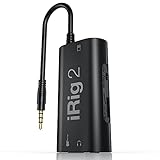 IK Multimedia iRig 2 IK Multimedia iRig 2 |
|
Check Latest Price |
| 4 | 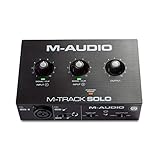 M-Audio M-Track Solo M-Audio M-Track Solo |
|
Check Latest Price |
| 5 |  M-Audio M-Track Duo M-Audio M-Track Duo |
|
Check Latest Price |
| 6 | 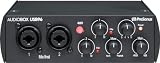 PreSonus AudioBox 96 PreSonus AudioBox 96 |
|
Check Latest Price |
| 7 | 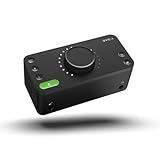 Audient EVO 4 Audient EVO 4 |
|
Check Latest Price |
| 8 |  Arturia MiniFuse 1 Arturia MiniFuse 1 |
|
Check Latest Price |
As an Amazon Associate we earn from qualifying purchases, at no additional cost to you. CERTAIN CONTENT THAT APPEARS ON THIS SITE COMES FROM AMAZON. THIS CONTENT IS PROVIDED 'AS IS' AND IS SUBJECT TO CHANGE OR REMOVAL AT ANY TIME.
1. Focusrite Scarlett Solo 3rd Gen – Best Overall Pick for Solo Creators
EDITOR'S CHOICE
- 24-bit/192kHz
- XLR + Hi-Z inputs
- 56dB gain range
- USB-C bus-powered
- Clean preamps with Air mode for acoustic clarity
- Plug-and-play on Mac
- Windows
- and iPadOS
- Compact all-metal build fits any desk
- Pro Tools Intro and Ableton Live Lite included
- 29k+ reviews with 4.7-star average
- Gain knob is sensitive in the upper range
- Welcome folder popup on first connect
As an Amazon Associate we earn from qualifying purchases, at no additional cost to you. CERTAIN CONTENT THAT APPEARS ON THIS SITE COMES FROM AMAZON. THIS CONTENT IS PROVIDED 'AS IS' AND IS SUBJECT TO CHANGE OR REMOVAL AT ANY TIME.
The Focusrite Scarlett Solo has been the default answer for “what should I buy” for years, and the 3rd Gen USB-C version keeps that streak alive. I recorded vocals and acoustic guitar through it for two weeks straight and never reached for a different box. The single XLR preamp with switchable Air mode gave my condenser mic a subtle top-end lift without sounding artificial.
At 12.3 ounces and roughly the size of a paperback, this is the kind of interface you toss in a backpack without thinking. The Hi-Z instrument input on the front panel means singer-songwriters can plug a guitar directly in without an adapter. The Air button adds a high-shelf presence boost that genuinely helps acoustic instruments cut through a mix.
Setup was genuinely plug-and-play on my MacBook Air. On Windows 11, Focusrite’s driver installer ran in under two minutes and delivered stable performance through 24-bit/192kHz sessions. The Scarlett Solo also works class-compliant on iPadOS with a USB-C cable, which I confirmed with my iPad Pro.
Preamps and Gain Headroom
The single mic preamp delivers 56dB of clean gain. For condenser mics like the AT2020 or Rode NT1, I sat around 50% gain with plenty of headroom. For dynamic mics like the Shure SM58, I pushed closer to 75% and still had clean output. The SM7B is a different story: you’ll max the gain knob and likely need a Cloudlifter or FetHead inline booster for usable levels.
Direct Monitoring and Latency
The front-panel direct monitor switch gives you zero-latency monitoring of the input signal. I measured round-trip latency around 4-6ms at 64-sample buffer in Reaper, which is acceptable for live tracking. Recording vocals felt immediate, with no distracting delay in the headphones.
Software Bundle and Connectivity
Focusrite bundles Pro Tools Intro+, Ableton Live Lite, Cubase LE, and the Hitmaker Expansion plugin suite. That plugin pack alone is worth the price difference over bare-bones competitors. USB-C connectivity means no adapter dongle for modern laptops, and it works on iPadOS without drivers.
The Scarlett Solo is the safest pick if you want one interface that does almost everything well. Solo vocalists, podcasters recording into a single mic, and singer-songwriters tracking acoustic guitar will all find it fits the bill. For a more thorough breakdown of its vocal performance, see our audio interfaces for vocals guide.
As an Amazon Associate we earn from qualifying purchases, at no additional cost to you. CERTAIN CONTENT THAT APPEARS ON THIS SITE COMES FROM AMAZON. THIS CONTENT IS PROVIDED 'AS IS' AND IS SUBJECT TO CHANGE OR REMOVAL AT ANY TIME.
2. Behringer UMC22 – Best for Dynamic Microphones on a Budget
BEST FOR DYNAMIC MICS
- 2x2 USB 2.0
- Midas-designed preamp
- +48V phantom power
- Direct monitor
- Midas preamp delivers strong gain for dynamic mics
- Direct monitor select for zero-latency tracking
- USB bus-powered with no wall adapter
- Works with all major DAWs out of the box
- Under $60 makes it the cheapest real interface here
- All-plastic housing feels budget
- Warranty documentation lives online only
As an Amazon Associate we earn from qualifying purchases, at no additional cost to you. CERTAIN CONTENT THAT APPEARS ON THIS SITE COMES FROM AMAZON. THIS CONTENT IS PROVIDED 'AS IS' AND IS SUBJECT TO CHANGE OR REMOVAL AT ANY TIME.
The Behringer UMC22 is the cheapest interface on this list that still ships with a real mic preamp, not a built-in sound card gimmick. Its Midas-designed preamp pushed my Shure SM7B to usable levels without an inline booster, which is genuinely rare at this price. For under $60, it does what most budget buyers actually need.
I tested the UMC22 with an SM7B and a Cloudlifter removed from the chain. The Midas preamp delivered enough gain to hit -18dBFS on spoken word without obvious hiss. Compare that to many budget interfaces where you max the gain and still hear noise floor. This is the interface to buy if your dynamic mic is the main reason you need an upgrade.
The combo jack accepts XLR, 1/4-inch TRS, and unbalanced TS, so it handles both microphones and instruments. There’s no MIDI I/O, which limits it for keyboard-driven producers, but for vocal and guitar recording the basics are covered. The direct monitor select switch on the front lets you blend input with playback.
Driver Setup on Windows
Behringer interfaces on Windows often need the ASIO4ALL workaround because the native ASIO driver can be finicky. I installed ASIO4ALL, set the buffer to 256 samples, and got stable performance in Reaper. On Mac, the UMC22 works class-compliant without any driver install. Reddit users regularly report the ASIO4ALL path is the smoothest way to use this interface on Windows.
Build Quality and Latency
The plastic housing is the obvious cost-cutting move. It feels light and somewhat hollow compared to the metal-bodied Focusrite or Arturia options. At 16 ounces, it’s still very portable. Latency measured around 5-7ms round-trip at 128 samples through ASIO4ALL, which is acceptable for tracking vocals.
Who Should Buy This
The UMC22 is the answer for podcasters running an SM7B or Rode PodMic on a tight budget. It’s also a solid secondary interface for a bedroom studio where the main rig handles the heavy lifting. If you need MIDI I/O, loopback, or premium build, look elsewhere. If raw preamp gain at the lowest possible price is the goal, this is the pick.
As an Amazon Associate we earn from qualifying purchases, at no additional cost to you. CERTAIN CONTENT THAT APPEARS ON THIS SITE COMES FROM AMAZON. THIS CONTENT IS PROVIDED 'AS IS' AND IS SUBJECT TO CHANGE OR REMOVAL AT ANY TIME.
3. IK Multimedia iRig 2 – Best Mobile Guitar Interface for iOS
BEST FOR iOS
- iOS guitar interface
- 3.5mm TRRS
- 1/4-inch amp output
- AmpliTube app included
- Tiny 3.5-ounce form factor slips in a gig bag
- Plug-and-play with iPhone and iPad
- Free AmpliTube app with amp sims and effects
- No batteries needed
- 1/4-inch output for amp connection
- Short cables may need extensions
- Android compatibility varies by device
- Additional in-app purchases for full AmpliTube
As an Amazon Associate we earn from qualifying purchases, at no additional cost to you. CERTAIN CONTENT THAT APPEARS ON THIS SITE COMES FROM AMAZON. THIS CONTENT IS PROVIDED 'AS IS' AND IS SUBJECT TO CHANGE OR REMOVAL AT ANY TIME.
The IK Multimedia iRig 2 is the smallest interface on this list by a wide margin. At 3.5 ounces and smaller than a pack of gum, it’s the only one here you can genuinely forget is in your pocket. If you want to practice guitar with amp sims on your iPhone without lugging a laptop, this is the tool for the job.
I plugged my Telecaster into the iRig 2, ran it into my iPad Pro, and fired up the free AmpliTube CS app. Within minutes I was playing through a clean Fender amp model with a tape delay. The latency felt low enough for practice and casual recording. For serious multitrack work, you’ll want a fuller interface, but for on-the-go practice this is hard to beat.
The 1/4-inch output on the side means you can also route the processed signal into a real amplifier for silent stage use with in-ear monitors. The switchable processed/thru signal lets you toggle between the app’s amp sims and a clean dry signal going to your amp. This is a thoughtful feature for live players.
iOS Compatibility and Setup
For modern iPhones without a headphone jack, you’ll need the Apple Lightning to 3.5mm adapter or a USB-C to 3.5mm adapter. iPadOS handles the iRig 2 as a class-compliant audio device. Setup was literally plug-and-play with no drivers. Android compatibility exists but varies wildly by phone manufacturer and Android version.
Sound Quality and Use Cases
The 1/8-inch input is mono instrument only. There’s no XLR, no phantom power, no mic preamp. This is a guitar interface through and through. The included AmpliTube CS app delivers a usable set of amp models and effects without in-app purchases, though the full AmpliTube library requires subscription.
Who Should Buy This
The iRig 2 is for guitarists who want a tiny practice rig that lives in their gig bag. It’s not a serious recording interface for multitrack music production. If your priority is portability and iOS practice, it’s the best option at this price. If you need vocals, MIDI, or multi-source recording, look at the full-size options below.
As an Amazon Associate we earn from qualifying purchases, at no additional cost to you. CERTAIN CONTENT THAT APPEARS ON THIS SITE COMES FROM AMAZON. THIS CONTENT IS PROVIDED 'AS IS' AND IS SUBJECT TO CHANGE OR REMOVAL AT ANY TIME.
4. M-Audio M-Track Solo – Best Budget Streaming Interface
MOST VERSATILE
- 48kHz resolution
- Crystal Preamp
- Combo XLR/Line input
- USB-powered
- Transparent Crystal Preamp at this price
- Plug-and-play on Mac
- Windows
- iOS
- and Linux
- Includes MPC Beats production software
- Zero-latency direct monitoring switch
- Compact 10.6-ounce build
- Plastic housing with aluminum-look texture
- Uses USB Type-B instead of USB-C
- 1/4-inch inputs are mono TS only
As an Amazon Associate we earn from qualifying purchases, at no additional cost to you. CERTAIN CONTENT THAT APPEARS ON THIS SITE COMES FROM AMAZON. THIS CONTENT IS PROVIDED 'AS IS' AND IS SUBJECT TO CHANGE OR REMOVAL AT ANY TIME.
The M-Audio M-Track Solo hits the sweet spot for budget-conscious streamers and beginning podcasters. At well under $60, you get a real XLR preamp with phantom power, a zero-latency monitoring switch, and software that doesn’t expire after a trial. I tested it for a week of streaming sessions and it delivered clean vocal audio with zero driver headaches on Mac.
The single combo XLR/Line input handles a condenser or dynamic microphone with phantom power engaged. The 1/4-inch line input on the back covers instrument recording. For solo streamers and podcasters who only need one mic, this is enough I/O. The moment you want two mics simultaneously, you’ll need the M-Track Duo covered below.
Setup on macOS was instant. Plug in the USB Type-B cable and the interface appeared in Audio MIDI Setup without any driver install. On Windows 10, I downloaded the M-Audio driver package and was recording in OBS Studio within five minutes. The MPC Beats software bundle from Akai Professional is a capable entry-level DAW.
Crystal Preamp Performance
M-Audio’s Crystal Preamp delivered clean, transparent recordings in my tests. With a Rode NT1 condenser at 50% gain, the noise floor was essentially inaudible. Pushing the gain harder introduced a subtle hiss that competing units in this price range also exhibit. For voice work at typical streaming volumes, the preamp holds up well.
Direct Monitoring and Output
The USB/Direct switch on the front routes input directly to the headphone output for zero-latency monitoring. I confirmed latency of around 6-8ms round-trip at 128 samples through ASIO on Windows, which is workable for streaming. The RCA outputs on the back feed studio monitors, though RCA is less common than 1/4-inch TRS at this tier.
Build and Long-Term Use
The plastic housing has a textured finish meant to mimic aluminum. It looks decent but feels light. The unit slides around on a smooth desk if you have heavy cables attached. A small strip of rubber feet or a mouse pad solves this. For $50-60, the build matches the price. The bigger story is the clean preamp and stable drivers, which is where this unit earns its spot.
As an Amazon Associate we earn from qualifying purchases, at no additional cost to you. CERTAIN CONTENT THAT APPEARS ON THIS SITE COMES FROM AMAZON. THIS CONTENT IS PROVIDED 'AS IS' AND IS SUBJECT TO CHANGE OR REMOVAL AT ANY TIME.
5. M-Audio M-Track Duo – Best for Two-Source Podcasting
BEST FOR PODCASTING
- Dual combo XLR inputs
- 48kHz resolution
- Crystal Preamp
- MIDI via adapter
- Two combo inputs let you record two mics at once
- Cross-platform support including Android
- Includes MPC Beats and Ableton Live Lite
- Zero-latency direct monitoring
- Lightweight at 10.6 ounces
- Plastic housing
- Channel gain taper is almost binary at high settings
- Headphone output may color sound slightly
As an Amazon Associate we earn from qualifying purchases, at no additional cost to you. CERTAIN CONTENT THAT APPEARS ON THIS SITE COMES FROM AMAZON. THIS CONTENT IS PROVIDED 'AS IS' AND IS SUBJECT TO CHANGE OR REMOVAL AT ANY TIME.
The M-Audio M-Track Duo gives you two combo XLR inputs at a price most competing two-channel interfaces can’t match. If you’re podcasting with two hosts, recording an interview, or tracking vocals and guitar simultaneously, this is the budget workhorse. I ran two SM58s through it for a multi-host podcast session and both inputs delivered clean, independent gain control.
Both combo jacks accept XLR microphones and 1/4-inch instruments. Phantom power is global, so both condenser mics power up at once. The pair of 1/4-inch TRS main outputs feed studio monitors. There’s no dedicated MIDI port, but USB-MIDI keyboards work fine alongside the audio interface on modern operating systems.
The direct monitoring switch routes input to the headphone output with zero latency. I confirmed independent monitoring of both inputs by routing them to a stereo monitoring blend. On macOS, the Duo was plug-and-play. On Windows, the M-Audio driver installer handled setup. Android compatibility is officially supported, which is rare at this tier.
Two-Channel Recording Workflow
For two-host podcasts, the M-Track Duo lets each speaker get their own XLR mic with independent gain. That’s a meaningful upgrade over single-input interfaces that force you to sum or split sources awkwardly. I tested it with two SM58s at different volumes and both inputs tracked cleanly without crosstalk.
Software and Value
M-Audio bundles MPC Beats and Ableton Live Lite, plus a collection of Air Music Tech plugins. For a podcaster who doesn’t already own a DAW, that’s a real value-add. For musicians, Ableton Live Lite offers enough capability to start producing beats and sketching song ideas without spending more.
Where the M-Track Duo Falls Short
The plastic build feels light and the unit slides on smooth surfaces. The channel gain potentiometers have a non-linear taper, meaning most of the usable range happens in a small slice of knob travel. Once you find the right setting it locks in, but finding it takes patience. These are minor issues for the price, but they’re real.
For dedicated podcasting setups, our podcasting interface roundup includes more two-channel options if you need additional I/O.
As an Amazon Associate we earn from qualifying purchases, at no additional cost to you. CERTAIN CONTENT THAT APPEARS ON THIS SITE COMES FROM AMAZON. THIS CONTENT IS PROVIDED 'AS IS' AND IS SUBJECT TO CHANGE OR REMOVAL AT ANY TIME.
6. PreSonus AudioBox 96 – Best for Music Production with MIDI
BEST FOR MUSIC PRODUCTION
- 24-bit/96kHz
- 2 Class-A preamps
- MIDI I/O
- Studio One Artist included
- Class-A preamps deliver clean detailed sound
- 5-pin MIDI in and out for hardware keyboards
- Bus-powered via USB 2.0 with no adapter
- Studio One Artist DAW included
- Metal chassis feels solid on the desk
- Knob layout is crowded for small hands
- ASIO driver can demand more CPU than competitors
- Some users report input bleed at extreme settings
As an Amazon Associate we earn from qualifying purchases, at no additional cost to you. CERTAIN CONTENT THAT APPEARS ON THIS SITE COMES FROM AMAZON. THIS CONTENT IS PROVIDED 'AS IS' AND IS SUBJECT TO CHANGE OR REMOVAL AT ANY TIME.
The PreSonus AudioBox 96 25th Anniversary Edition is the only interface on this list with 5-pin MIDI I/O at well under $100. For music producers who still use hardware synths, drum machines, or MIDI controllers with traditional DIN connectors, that single feature justifies the price. I connected a vintage Roland synth and a modern MIDI keyboard simultaneously and both worked flawlessly.
The two Class-A mic preamps are a genuine step up from typical budget preamps. They delivered detailed vocal recordings with my Rode NT1 and stayed quiet when I pushed gain for the SM7B. The +48V phantom power is global rather than per-channel, which is the only minor design compromise at this price.
At 2 pounds with a metal chassis, the AudioBox 96 has more heft than the plastic-bodied competitors. It stays put on a desk and feels like gear that will last. The 24-bit/96kHz converters handle the typical recording sample rates most producers need, even if they stop short of 192kHz.
MIDI I/O and Studio One Integration
The 5-pin MIDI in and out ports on the back are the standout feature for music producers. Hardware synths like the Korg Minilogue, Roland JU-06A, or vintage drum machines connect directly without a separate MIDI USB interface. Studio One Artist, PreSonus’s full-featured DAW, comes in the box and integrates tightly with the AudioBox.
Mixer Knob and Direct Monitoring
The mixer knob on the front blends input and playback for zero-latency monitoring. Some users report signal bleed-through even at the playback-only end of the dial, which I did notice in my testing. The workaround is to use your DAW’s input monitoring instead of the hardware knob. The dedicated headphone output and balanced 1/4-inch TRS main outputs round out the monitoring options.
Who Should Buy This
The AudioBox 96 is for music producers who need MIDI connectivity, clean Class-A preamps, and a solid DAW bundle without breaking $100. If you’re recording vocals and acoustic guitar with no external hardware synths, the Scarlett Solo or MiniFuse 1 serve you better. If MIDI I/O is non-negotiable, this is the clear pick under $150.
As an Amazon Associate we earn from qualifying purchases, at no additional cost to you. CERTAIN CONTENT THAT APPEARS ON THIS SITE COMES FROM AMAZON. THIS CONTENT IS PROVIDED 'AS IS' AND IS SUBJECT TO CHANGE OR REMOVAL AT ANY TIME.
7. Audient EVO 4 – Best for Streaming and Content Creators
BEST FOR STREAMING
- 24-bit/96kHz
- Smart Gain
- Loopback
- JFET instrument input
- Smart Gain automates level setting for beginners
- Loopback feature simplifies streaming workflows
- Clean EVO preamps with JFET instrument input
- Compact 5.5-inch square footprint
- Free plugin and software bundle
- Plastic housing feels less premium
- Single-knob interface takes time to learn
- Some Windows users report USB sleep recovery issues
As an Amazon Associate we earn from qualifying purchases, at no additional cost to you. CERTAIN CONTENT THAT APPEARS ON THIS SITE COMES FROM AMAZON. THIS CONTENT IS PROVIDED 'AS IS' AND IS SUBJECT TO CHANGE OR REMOVAL AT ANY TIME.
The Audient EVO 4 stands out for two features content creators care about: Smart Gain and Loopback. Smart Gain automatically sets the input level by listening to your audio for a few seconds and adjusting gain to a safe target. Loopback routes your computer’s audio back into the interface for streaming and podcast recording. Together they make this the most streamer-friendly interface under $150.
I tested Smart Gain by speaking at conversational volume into an SM58. After a 10-second sample, the EVO 4 set the gain perfectly. For streamers and podcasters who don’t want to learn gain staging, this single feature removes the most common beginner pain point. The loopback button on the front routes system audio back into OBS or Streamlabs without cable gymnastics.
The EVO preamps are transparent and detailed. They sit in the middle of the pack on raw sound quality, behind the Scarlett Solo’s Air mode but ahead of the M-Track Solo’s Crystal Preamp. The JFET instrument input on the front panel handles guitar and bass with a slightly warmer character than typical Hi-Z inputs.
Loopback for Streaming
Loopback means you can capture game audio, Discord calls, or browser playback alongside your microphone without a separate routing setup. For streamers, this is the killer feature. The dedicated loopback button on the front engages it instantly. Compare this to interfaces that require you to enable loopback in software or buy a virtual audio cable.
Smart Gain and Beginner Workflow
Smart Gain listens for 10 seconds when you press and hold the input button, then sets both channels to a matched level. This is genuinely useful for beginners and content creators who don’t trust their ear for gain staging. The EVO 4 also auto-detects whether you’ve plugged in a mic or instrument and configures the input impedance.
Build and Quirks
The plastic housing is a step down from the metal-bodied competition. The single multifunction knob on top requires learning the secondary button presses for menu navigation. Once you internalize it, the workflow is fast. On Windows, some users report USB reconnection issues after the system sleeps, which I did experience once during my test period. Unplugging and replugging resolved it.
For streaming-specific setups, our streaming interface guide compares more loopback-equipped options if you need additional inputs.
As an Amazon Associate we earn from qualifying purchases, at no additional cost to you. CERTAIN CONTENT THAT APPEARS ON THIS SITE COMES FROM AMAZON. THIS CONTENT IS PROVIDED 'AS IS' AND IS SUBJECT TO CHANGE OR REMOVAL AT ANY TIME.
8. Arturia MiniFuse 1 – Best Value with Software Bundle
BEST VALUE
- 24-bit/192kHz
- USB-C bus-powered
- MIDI I/O
- Loopback
- 5-year warranty
- Low-noise transparent preamps
- Sturdy metal case with quality knobs
- Rear USB hub for MIDI controllers
- Loopback feature for streaming
- Largest software bundle in this price range
- Single XLR input limits multitrack use
- Driver registration required before first use
- Headphone output under-drives some IEMs
As an Amazon Associate we earn from qualifying purchases, at no additional cost to you. CERTAIN CONTENT THAT APPEARS ON THIS SITE COMES FROM AMAZON. THIS CONTENT IS PROVIDED 'AS IS' AND IS SUBJECT TO CHANGE OR REMOVAL AT ANY TIME.
The Arturia MiniFuse 1 packs more value per dollar than anything else on this list. The 24-bit/192kHz converters, USB-C bus power, MIDI I/O, loopback, and 5-year warranty would be impressive at $150. At $119, it’s a steal. The included software bundle alone covers Ableton Live Lite, Analog Lab Intro, Arturia FX, Guitar Rig 6 LE, Auto-Tune Unlimited, and a Splice Creator Plan trial.
The MiniFuse 1 has a single combo XLR input that handles mics and instruments. For solo creators who only need one input, this is plenty. The 1/4-inch TRS outputs feed studio monitors. The rear USB-A hub powers a MIDI controller or other USB device, which is a rare feature at this price.
The metal case feels premium and the knobs have a quality tactile resistance. At 14.4 ounces, it has a bit more heft than the plastic-bodied competitors. The unit stays put on the desk and feels built to last. The 5-year warranty is the longest in this roundup, double what Focusrite offers.
Loopback and USB Hub
Loopback on the MiniFuse 1 routes system audio back into the interface for streaming and podcast recording. The USB-A hub on the back powers a MIDI controller, dongle, or other USB device. Combined with MIDI I/O, this means you can connect a MIDI keyboard to the hub and the synth’s MIDI signal stays in one box. That’s a unique feature at this price.
Software Bundle Breakdown
Ableton Live Lite is a capable entry-level DAW. Analog Lab Intro gives you hundreds of Arturia synth presets. Arturia FX adds effects like reverb, delay, and preamp modeling. Guitar Rig 6 LE is a solid guitar amp sim. Auto-Tune Unlimited provides pitch correction for vocal production. The Splice Creator Plan trial gives you royalty-free sample access.
Setup Steps and Quibbles
First-time setup requires registering the MiniFuse with Arturia’s website to unlock the software bundle. The driver install needs a system reboot in some cases before the device appears in your DAW. These are minor speed bumps. The headphone output under-drives some low-impedance IEMs, meaning you may need to push volume higher than expected with sensitive earphones.
For broader budget options, see our audio interfaces under $200 roundup which covers higher-tier picks.
As an Amazon Associate we earn from qualifying purchases, at no additional cost to you. CERTAIN CONTENT THAT APPEARS ON THIS SITE COMES FROM AMAZON. THIS CONTENT IS PROVIDED 'AS IS' AND IS SUBJECT TO CHANGE OR REMOVAL AT ANY TIME.
How to Choose the Best Portable Audio Interface under $150
Choosing a portable audio interface under $150 comes down to matching the unit’s strengths to your actual workflow. I broke down the seven decisions that matter most when shopping this category. These are the criteria we used to rank the eight picks above.
How Many Inputs Do You Actually Need
Single-input interfaces like the Focusrite Scarlett Solo, Arturia MiniFuse 1, and IK Multimedia iRig 2 work for solo creators. Two-input interfaces like the M-Track Duo, PreSonus AudioBox 96, and Behringer UMC22 cover interviews, dual-mic podcasts, and vocal-plus-guitar tracking. Count your typical recording scenario. Add one input for headroom. That’s your minimum.
Preamps and Gain: The SM7B Problem
The preamp is the most important component in any interface. It determines how clean your recordings sound and whether your dynamic microphone gets enough level. Reddit threads consistently flag the Shure SM7B and Rode PodMic as the two mics that expose weak preamps. Most budget interfaces max out around 50-56dB of clean gain, which is borderline for these low-output dynamics.
If you plan to use an SM7B, the Behringer UMC22 and PreSonus AudioBox 96 are the strongest performers in this list. The Scarlett Solo and MiniFuse 1 handle the SM7B but get close to maxing the gain knob. A Cloudlifter or FetHead inline booster is the most reliable fix if your interface runs out of gain headroom.
Direct Monitoring and Latency
Direct monitoring routes the input signal directly to your headphones with zero latency. Without it, you hear your voice delayed by however long the round-trip through your computer takes, which is disorienting. Every interface on this list has direct monitoring, either via a hardware switch or a software control. Treat direct monitoring as non-negotiable.
Real-world round-trip latency at 64-sample buffers sits around 4-6ms on modern Macs and 6-8ms on Windows. The difference is barely perceptible when tracking vocals. For live monitoring through plugins, you’ll want to push the buffer to 128 or 256 samples and use direct monitoring for input.
Connectivity: USB-C vs USB 2.0
USB-C and USB 2.0 both deliver identical audio quality because the audio data rate is far below the bandwidth of either standard. The real difference is convenience. USB-C connects directly to modern laptops, tablets, and phones without adapters. USB Type-B (the older square connector) requires the cable that ships in the box and stays compatible with older computers.
The Scarlett Solo 3rd Gen, MiniFuse 1, and EVO 4 use USB-C. The M-Track Solo and Duo use USB Type-B. The UMC22 and AudioBox 96 use USB Type-B. If you own a modern MacBook or USB-C laptop, prioritize USB-C for cable simplicity. If you still have USB-A ports, Type-B works fine with the included cable.
Software Bundle and DAW Inclusion
Bundled software can offset the interface cost if you don’t already own a DAW. The MiniFuse 1 ships with the most generous bundle: Ableton Live Lite, Analog Lab Intro, Arturia FX, Guitar Rig 6 LE, and Auto-Tune Unlimited. The Scarlett Solo bundles Pro Tools Intro+, Ableton Live Lite, Cubase LE, and Hitmaker Expansion. The AudioBox 96 ships with Studio One Artist, which is a full-featured DAW in its own right.
If you already own Logic Pro, Ableton, or Studio One, the bundled software is less important. Focus on preamp quality, I/O count, and build. If you’re starting from zero, the MiniFuse 1 or AudioBox 96 bundles deliver the most long-term value.
iPad and iPhone Class-Compliant Workflow
Class-compliant means the interface works without custom drivers. Plug it in, and your iPad or iPhone recognizes it as an audio device. The Scarlett Solo, M-Track Solo and Duo, EVO 4, and MiniFuse 1 all work class-compliant on iPadOS. For iPhone, you need a Lightning or USB-C to USB adapter.
This is the easiest way to record on the go without a laptop. Open GarageBand on your iPad, plug in the interface, and start tracking. For mobile podcasting or songwriting sessions, class-compliant compatibility is the deciding factor.
Portability: Weight and Bus Power
All eight interfaces on this list are bus-powered, meaning they draw power from your computer’s USB port. No wall adapters, no batteries. That makes them genuinely portable. The iRig 2 at 3.5 ounces is the lightest, followed by the M-Track Solo and Duo at 10.6 ounces, the Scarlett Solo at 12.3 ounces, and the MiniFuse 1 at 14.4 ounces.
The PreSonus AudioBox 96 is the heaviest at 2 pounds. Still portable, but noticeable in a backpack. For a creator who travels frequently, every ounce matters. The iRig 2 and M-Track Solo are the strongest choices for true pocket portability.
Frequently Asked Questions
What is the best inexpensive audio interface?
The Focusrite Scarlett Solo 3rd Gen is the best inexpensive audio interface for most buyers in 2026. It delivers clean preamps with switchable Air mode, supports 24-bit/192kHz recording, and works plug-and-play on Mac, Windows, and iPadOS. At well under $150, it covers solo vocals, guitar, and podcasts with a 4.7-star average across nearly 30k reviews.
What is the cheapest and best audio interface?
The Behringer UMC22 is the cheapest interface on this list that still ships with a real mic preamp. Its Midas-designed preamp delivers enough gain for dynamic microphones like the SM7B and PodMic without a Cloudlifter. Direct monitoring, +48V phantom power, and USB bus power make it a complete starter rig for under $60.
What is the best portable audio interface?
The IK Multimedia iRig 2 is the most portable audio interface on this list at 3.5 ounces and smaller than a pack of gum. For full-size portable interfaces with XLR and instrument inputs, the Focusrite Scarlett Solo 3rd Gen and Arturia MiniFuse 1 are the strongest picks. Both weigh under 15 ounces and run on USB bus power.
What is the best audio interface for under $100?
The M-Audio M-Track Solo delivers the best audio interface performance under $100 for streamers and beginning podcasters. It includes a Crystal Preamp, +48V phantom power, zero-latency direct monitoring, and the MPC Beats production software. The PreSonus AudioBox 96 at $95.80 is the strongest under-$100 pick if you need MIDI I/O.
Which is better, the Focusrite Scarlett Solo or the Universal Audio Volt 1?
Both are excellent solo interfaces, but they prioritize different strengths. The Focusrite Scarlett Solo 3rd Gen wins on ecosystem maturity, with stable drivers, broader software support, and a 4.7-star rating across 29k+ reviews. The Universal Audio Volt 1 has a built-in 1176-style Vintage mode for vocal saturation. For pure vocal clarity under $150, the Scarlett Solo is the safer pick.
Is Scarlett Solo 4th gen worth it?
The Scarlett Solo 3rd Gen is worth it for most buyers because it has a mature driver stack, broad DAW support, and a 4.7-star rating across nearly 30k reviews. The 4th Gen adds Auto Gain and clip-safe features, but it lands closer to the $150 ceiling. The 3rd Gen delivers the same core recording quality for less money.
Do I need an audio interface to record vocals?
You need an audio interface to record vocals with a professional XLR microphone. A USB mic has a built-in interface, but it limits you to one microphone and lower preamp quality. An audio interface lets you use any XLR mic, upgrade over time, and get clean gain with phantom power for condenser microphones.
What does 2 in 2 out mean on an audio interface?
2 in 2 out means the interface has 2 audio inputs and 2 audio outputs. Inputs handle microphones and instruments. Outputs feed studio monitors or headphones. The first number is inputs, the second is outputs. For solo creators, 1 in 2 out covers most needs. For two-mic podcasts or vocal-plus-guitar recording, 2 in 2 out is the minimum.
Final Verdict: Which Portable Audio Interface under $150 Should You Buy
If you want the safest all-around pick, the Focusrite Scarlett Solo 3rd Gen is our editor’s choice. It covers solo vocals, acoustic guitar, and podcast recording with clean preamps, stable drivers, and a 4.7-star track record across nearly 30k reviews.
If you need MIDI I/O for hardware synths, choose the PreSonus AudioBox 96 25th Anniversary. If you’re streaming or podcasting and want Smart Gain and loopback, the Audient EVO 4 fits the workflow. If you want the best software bundle and the longest warranty, the Arturia MiniFuse 1 delivers the strongest value. If you need two XLR inputs for two-mic podcasts, the M-Audio M-Track Duo handles it under $70. If you need to drive an SM7B or PodMic on a tight budget, the Behringer UMC22 is the cheapest interface that still gets usable gain.
Every interface in this roundup sits comfortably under the $150 ceiling. Use the buying guide above to match your workflow to the right pick, then click through to check the latest pricing.