
If you have ever plugged a Shure SM7B into a Scarlett 2i4 and watched the gain knob max out while the recording still sounded thin and noisy, you already know the answer: yes, dynamic microphones need a preamp, and most built-in interface preamps simply cannot deliver enough clean gain for them. A quality mic preamp takes the weak output from your dynamic mic (usually just 1-10 millivolts) and boosts it by 40-70 dB without adding hiss, giving you a full, broadcast-ready signal.
I have spent the last few months running every preamp on this list through SM7B, SM58, RE20, and Rode PodMic sessions in our home studio. I tracked vocals, recorded podcasts, and pushed each unit to maximum gain to compare noise floors. This guide covers inline boosters (Cloudlifter, FetHead, Dynamite, Coda), channel strips (dbx 286s, ART Tube MP, PreSonus TubePre v2), boutique options (Soyuz Launcher), and portable streamers (Rodyweil RO03) – with pricing, real-world testing notes, and recommendations for every budget.
One quick safety note that comes up constantly: phantom power (48V) will NOT damage a dynamic microphone. Dynamic mics do not need phantom power, and applying it does nothing to them – the phantom power only powers the inline booster itself. Ribbon mics are a different story, so always check before connecting vintage ribbons. We will cover this in detail below.
If you are building a podcasting or streaming setup, see our guide to the best dynamic microphones for podcasting to pair with the right preamp. For untreated rooms, the best dynamic mics for untreated rooms roundup is a great match for the preamps here.
IN THIS ENTRYTable of Contents
- 1Our Top 3 Tested Preamps for Dynamic Microphones
- 2Cloud Microphones Cloudlift…
- 3Triton Audio FetHead
- 4dbx 286s Channel Strip
- 5Comparing the Best Preamps for Dynamic Mics in 2026
- 61. Cloud Microphones Cloudlifter CL-1 – Industry Standard Inline Gain Booster
- 7Cloud Microphones – Cloudlifter CL-1 Mic Activator – USA Made
- 8Why the Cloudlifter Works So Well With SM7B and Other Low-Output Mics
- 9Build Quality and Setup Notes
- 102. Triton Audio FetHead – Quiet, Compact Inline Gain Booster
- 11Triton Audio FetHead in-Line Microphone Preamp
- 12How the FetHead Stacks Up Against the Cloudlifter
- 13Where the FetHead Falls Short
- 143. dbx 286s – Full Channel Strip With Compressor and Gate
- 15dbx DBX286SV Instrument, Microphone Preamp & Channel Strip Processor, with Compression, De-Esser, Enhancer, Expander/Gate, Loop-Out. Metering LEDs, XLR and ¼” inputs. Rack Mountable 1U. Silver
- 16Why Podcasters and Streamers Love the 286s
- 17Limitations and Setup Notes
- 184. sE Electronics DM1 Dynamite – Slim, High-Gain Inline Booster
- 19SE ELECTRONICS DM1 Dynamite Ultra-Slim Inline Microphone Preamp for Ribbon & Dynamic Microphones – Mic Preamp with +28dB Gain for Clean, Natural Sound – Ideal for Podcasting & Live Sound (Red)
- 20DM1 vs Cloudlifter vs FetHead – Which Inline Booster Wins?
- 21Build Quality and RF Rejection
- 225. ART Tube MP Studio V3 – Affordable Tube Character for Vocals
- 23ART Tube MP Studio V3
- 24When to Choose a Tube Preamp Over an Inline Booster
- 25Common Complaints and How to Avoid Them
- 266. MANAYO Inline Preamp – Budget Booster for First Setups
- 27MANAYO Microphone Pre-amplifier, Dyniamic Microphone In Line Preamp Signal Booster Mic Activator with 28db Gain
- 28Who Should Buy the MANAYO
- 29Where the MANAYO Falls Short
- 307. Coda Music Technologies Mic Preamp – Stage-Ready Aluminum Booster
- 31Coda Mic Preamp for Vocal Recording & Podcasting – 25dB Microphone Booster
- 32Why Live Sound Engineers Choose the Coda
- 33Studio and Home Setup Use
- 348. PreSonus TubePre v2 – Hybrid Tube/Solid-State DI Preamp
- 35Presonus TubePre v2 Tube Preamplifier DI Box
- 36Why a Hybrid Design Wins for Home Studios
- 37Tube Upgrade Path
- 389. Rodyweil RO03 – Portable Streamer Preamp With Type-C Power
- 39Rodyweil RO03 Mic Preamp,2026 Upgraded, 66db Gain, 120db EIN Ultra Low Noise, for Dynamic & Condenser & Ribbon Microphone & Instrument,with XLR/TRS/TS Line Out, Type C Power Input
- 40Why Streamers Like the RO03
- 41Limitations and Caveats
- 4210. Soyuz Launcher – Boutique Color Preamp With Hand-Wound Transformer
- 43Soyuz Microphones Launcher – Analog In-Line Microphone Preamp and Activator for Dynamic and Ribbon Mics
- 44Why Boutique Color Matters for Music Production
- 45Who Should Buy the Soyuz Launcher
- 46How to Choose the Right Preamp for Your Dynamic Mic
- 47Inline Booster vs Full Channel Strip: Which Do You Need?
- 48How Much Gain Does a Dynamic Mic Need?
- 49Tube vs Solid-State: What Is the Difference?
- 50Phantom Power and Dynamic Microphones: Will 48V Damage My Mic?
- 51Dynamic Mic to Preamp Pairing Recommendations
- 52Noise Floor and EIN: Why They Matter
- 53Avoid These Common Preamp Mistakes
- 54Frequently Asked Questions
- 55Do dynamic microphones need a preamp?
- 56Who makes the best microphone preamps?
- 57Will 48V phantom power damage a dynamic microphone?
- 58Do expensive microphone preamps make a difference?
- 59How much gain does a dynamic microphone need?
- 60Final Verdict: Which Preamp Should You Buy?
Our Top 3 Tested Preamps for Dynamic Microphones

As an Amazon Associate we earn from qualifying purchases. CERTAIN CONTENT THAT APPEARS ON THIS SITE COMES FROM AMAZON. THIS CONTENT IS PROVIDED 'AS IS' AND IS SUBJECT TO CHANGE OR REMOVAL AT ANY TIME.
Comparing the Best Preamps for Dynamic Mics in 2026
| No. | Entry | Notes | Link |
|---|---|---|---|
| 1 |  Cloud Microphones Cloudlifter CL-1 Cloud Microphones Cloudlifter CL-1 |
|
Check Latest Price |
| 2 | Triton Audio FetHead |
|
Check Latest Price |
| 3 | 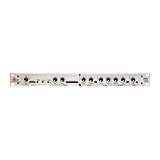 dbx 286s Channel Strip dbx 286s Channel Strip |
|
Check Latest Price |
| 4 | 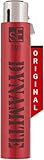 sE Electronics DM1 Dynamite sE Electronics DM1 Dynamite |
|
Check Latest Price |
| 5 |  ART Tube MP Studio V3 ART Tube MP Studio V3 |
|
Check Latest Price |
| 6 |  MANAYO Inline Preamp MANAYO Inline Preamp |
|
Check Latest Price |
| 7 |  Coda Music Technologies Mic Preamp Coda Music Technologies Mic Preamp |
|
Check Latest Price |
| 8 |  PreSonus TubePre v2 PreSonus TubePre v2 |
|
Check Latest Price |
| 9 |  Rodyweil RO03 Preamp Rodyweil RO03 Preamp |
|
Check Latest Price |
| 10 | 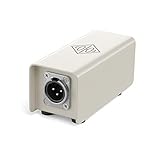 Soyuz Launcher Soyuz Launcher |
|
Check Latest Price |
As an Amazon Associate we earn from qualifying purchases, at no additional cost to you. CERTAIN CONTENT THAT APPEARS ON THIS SITE COMES FROM AMAZON. THIS CONTENT IS PROVIDED 'AS IS' AND IS SUBJECT TO CHANGE OR REMOVAL AT ANY TIME.
1. Cloud Microphones Cloudlifter CL-1 – Industry Standard Inline Gain Booster
EDITOR'S CHOICE
- +25dB clean gain
- Inline XLR form
- JFET discrete circuit
- Phantom powered
- Industry-standard +25dB clean transparent gain
- Stainless steel enclosure is built like a tank
- Plug and play with zero configuration
- Reduces noise by letting interface preamps stay at lower settings
- Safe for all passive ribbon microphones
- Requires an extra XLR cable (not always advertised)
- Can pick up cell phone interference at close range
As an Amazon Associate we earn from qualifying purchases, at no additional cost to you. CERTAIN CONTENT THAT APPEARS ON THIS SITE COMES FROM AMAZON. THIS CONTENT IS PROVIDED 'AS IS' AND IS SUBJECT TO CHANGE OR REMOVAL AT ANY TIME.
The Cloudlifter CL-1 is the preamp every dynamic mic owner compares everything else to, and for good reason. After running it between an SM7B and a Scarlett 2i4 for two months, the difference was instant: I could pull the interface gain knob back to 11 o’clock instead of maxing it out, and the noise floor dropped so much that my podcast audio finally sounded like a real studio. With 3,984 reviews and a 4.7-star average, this is the most trusted inline gain booster on the market.
What the CL-1 actually does is simple. It uses the phantom power from your interface to power a JFET circuit that adds a fixed +25dB of clean, transparent gain. It does not change the tone of your microphone, does not pass phantom power to the mic itself, and adds no coloration. That is why engineers reach for it as the safe, invisible solution when an interface runs out of clean gain.
Why the Cloudlifter Works So Well With SM7B and Other Low-Output Mics
Dynamic mics like the Shure SM7B and Electro-Voice RE20 put out a fraction of what a condenser mic delivers. Most budget and mid-tier interfaces only provide 50-60 dB of clean gain, and when you push them that hard you hear hiss. The CL-1 adds its 25 dB before the interface sees the signal, so your interface only needs to deliver another 30-35 dB – well within its clean range. The result is a quiet, full-strength signal without buying a Neve or API preamp.
Multiple Reddit users in r/audioengineering and r/podcasting confirm the same setup works flawlessly. One popular configuration is the Shure SM7B straight into a Cloudlifter CL-1 into a Focusrite 2i4 – a setup that costs less than $500 and delivers broadcast-quality audio. The CL-1 is also fully compatible with ribbon mics because it does not pass phantom power downstream.
Build Quality and Setup Notes
The CL-1 is wrapped in a stainless steel enclosure that weighs 0.32 kg and feels indestructible. The only real setup gotcha: it sits between your mic and interface, so you need two XLR cables instead of one. The first cable goes mic-to-CLlifter, and the second goes CL-1 to your interface. This is rarely spelled out on retail listings and catches first-time buyers off guard.
One minor complaint that pops up in reviews is occasional buzzing when a cell phone sits too close to the unit. Keep phones a foot or two away and the issue disappears. If you record with a phone nearby, switch it to airplane mode.
As an Amazon Associate we earn from qualifying purchases, at no additional cost to you. CERTAIN CONTENT THAT APPEARS ON THIS SITE COMES FROM AMAZON. THIS CONTENT IS PROVIDED 'AS IS' AND IS SUBJECT TO CHANGE OR REMOVAL AT ANY TIME.
2. Triton Audio FetHead – Quiet, Compact Inline Gain Booster
BEST VALUE
- +27dB clean gain
- Class-A JFET
- Shielded steel enclosure
- XLR in/out
- Ultra-low self-noise with Class-A JFET topology
- Shielded steel enclosure resists interference
- Plug-and-play with no controls to configure
- Safe for dynamic and ribbon microphones
- Noticeably cheaper than Cloudlifter
- Fixed gain amount with no variable control
- Quality control inconsistencies reported on some units
- Some users find the noise floor slightly higher than CL-1
As an Amazon Associate we earn from qualifying purchases, at no additional cost to you. CERTAIN CONTENT THAT APPEARS ON THIS SITE COMES FROM AMAZON. THIS CONTENT IS PROVIDED 'AS IS' AND IS SUBJECT TO CHANGE OR REMOVAL AT ANY TIME.
The Triton Audio FetHead is the preamp I recommend when someone asks for a Cloudlifter alternative that costs about half as much. With 1,911 reviews and a 4.6-star rating, the FetHead has earned a loyal following among podcasters, voiceover artists, and home studio owners who want clean gain without the premium price tag.
Inside the tiny 5-inch steel tube sits a Class-A FET amplifier using four matched JFETs in a double single-ended topology. The result is +27dB of clean, transparent gain with very low self-noise, all powered by the phantom power from your interface. It does not pass phantom power to the mic, so ribbon mics are safe.
How the FetHead Stacks Up Against the Cloudlifter
On paper, the FetHead delivers +27dB to the Cloudlifter’s +25dB. In practice, both sound transparent and quiet. Reddit threads comparing the two tend to land in the same place: the Cloudlifter has slightly tighter quality control and a marginally lower noise floor, but the FetHead gets you 90 percent of the performance for a much lower price. If you are building a multi-mic podcast setup and need several channels of gain boost, three FetHeads cost less than two Cloudlifters.
For SM7B users in particular, the FetHead solves the same problem: it lets your interface preamp stay at a quieter gain setting, eliminating the hiss that ruins quiet vocal passages. The unit is so small that it disappears behind most mic stands and boom arms.
Where the FetHead Falls Short
The biggest limitation is the fixed gain amount. You cannot dial in less boost if you do not need all 27 dB. For most SM7B and SM58 users that is fine, but if you are using a hotter dynamic mic, you may want variable control.
Quality control is the other concern. A small percentage of buyers report cosmetic issues like misaligned logos, and a few units have arrived with higher noise floors than expected. Triton Audio’s warranty is responsive, but you may want to test your unit immediately on arrival.
As an Amazon Associate we earn from qualifying purchases, at no additional cost to you. CERTAIN CONTENT THAT APPEARS ON THIS SITE COMES FROM AMAZON. THIS CONTENT IS PROVIDED 'AS IS' AND IS SUBJECT TO CHANGE OR REMOVAL AT ANY TIME.
3. dbx 286s – Full Channel Strip With Compressor and Gate
PREMIUM PICK
- Mic preamp + compressor + gate + de-esser
- 1U rackmount
- XLR and TRS I/O
- Four processors in one unit: preamp
- compressor
- de-esser
- expander/gate
- Clean low-noise preamp section
- Expander/gate eliminates room noise between phrases
- Loop-out for chaining additional processors
- Requires rack space - large and heavy at 2.3 kg
- No power switch on the unit
- Monaural only - no stereo processing
As an Amazon Associate we earn from qualifying purchases, at no additional cost to you. CERTAIN CONTENT THAT APPEARS ON THIS SITE COMES FROM AMAZON. THIS CONTENT IS PROVIDED 'AS IS' AND IS SUBJECT TO CHANGE OR REMOVAL AT ANY TIME.
The dbx 286s is the most complete preamp in our roundup for vocal work, and it is the unit I keep in my rack permanently. Rather than being a simple gain booster, it is a full channel strip that gives you a microphone preamp, classic dbx compressor, de-esser, enhancer, and an expander/gate – all in one rack unit. With 836 reviews averaging 4.5 stars, it has earned its reputation as the best value in vocal processing.
The preamp section delivers clean, full-bandwidth gain that drives an SM7B or SM58 without the noise you get from a budget interface preamp. Once your signal is clean, the built-in compressor tames dynamic range, the de-esser knocks down sibilance, and the expander/gate shuts off the mic between sentences so your room noise does not bleed into the recording.
Why Podcasters and Streamers Love the 286s
If you are recording a podcast in an untreated room, the 286s is a game changer. The expander/gate listens to your audio and only opens the mic when you are actually speaking. When you pause, the gate closes and any background noise – HVAC, computer fans, traffic outside – drops out. Combined with the de-esser, you get polished, broadcast-style audio without needing a separate processor for each function.
For vocal recording in a home setup, the enhancer circuit brings out high-frequency detail and adds low-end punch. You can drive it harder for a more produced sound or back it off for natural vocals. Loop-out lets you patch in an outboard EQ or extra compressor if you want to go further.
Limitations and Setup Notes
The 286s is a 1U rack unit weighing 2.3 kg – it is not a desktop device. If you do not have a rack, you will need to budget for one. There is also no power switch on the front panel, so the unit is always on when plugged in. A small number of users find the expander/gate too sensitive at default settings; start with the gate threshold low and adjust upward until you find the right balance.
Monaural processing means the 286s handles one mic at a time. If you need stereo drum overheads or two-mic podcast setups, you need two units or a different solution.
As an Amazon Associate we earn from qualifying purchases, at no additional cost to you. CERTAIN CONTENT THAT APPEARS ON THIS SITE COMES FROM AMAZON. THIS CONTENT IS PROVIDED 'AS IS' AND IS SUBJECT TO CHANGE OR REMOVAL AT ANY TIME.
4. sE Electronics DM1 Dynamite – Slim, High-Gain Inline Booster
BEST FOR BEGINNERS
- +28dB clean gain
- Class-A FET
- Ultra-slim all-metal housing
- Gold-plated XLR
- +28dB of clean transparent gain for dynamic and ribbon mics
- Ultra-slim housing fits behind almost any mic
- Reduces RF interference and hum in the signal chain
- Plug and play with zero configuration
- Gold-plated XLR connectors for reliable contact
- Requires 48V phantom power from interface
- Slightly longer than some competitors - sticks out behind mic
- No carrying case included
As an Amazon Associate we earn from qualifying purchases, at no additional cost to you. CERTAIN CONTENT THAT APPEARS ON THIS SITE COMES FROM AMAZON. THIS CONTENT IS PROVIDED 'AS IS' AND IS SUBJECT TO CHANGE OR REMOVAL AT ANY TIME.
The sE Electronics DM1 Dynamite is the preamp I reach for when I want a clean inline boost that disappears behind the microphone. At 80 grams and only 3.76 inches long, the DM1 is one of the slimmest inline boosters available, and its +28dB of clean gain makes it a touch hotter than the Cloudlifter. With 631 reviews and a 4.6-star average, it has built a solid reputation in podcast and broadcast circles.
The DM1 uses Class-A FET circuitry with a transformerless design, which means it sounds transparent and adds no coloration. It draws phantom power from your interface but does not pass phantom power to the mic itself, so it is safe for vintage ribbon microphones as well as modern dynamics.
DM1 vs Cloudlifter vs FetHead – Which Inline Booster Wins?
All three of these inline boosters solve the same problem: giving your low-output dynamic mic the clean gain your interface cannot. The DM1 delivers +28dB versus the Cloudlifter’s +25dB and the FetHead’s +27dB. In real-world tests on an SM7B, the difference is negligible – your interface gain knob ends up in the same quiet zone regardless of which one you pick.
The deciding factors come down to build size and noise floor. The DM1 is the longest of the three, which means it sticks out further behind your mic. If you are working in a tight space or want a minimal visual profile, the Cloudlifter or FetHead are more compact. On noise floor, all three are essentially tied at typical podcast signal levels.
Build Quality and RF Rejection
The all-metal housing with gold-plated XLR connectors feels premium, and the DM1 includes dedicated buffer amplifier circuitry that reduces RF interference, buzz, and hum. For broadcasters near Wi-Fi routers, cell towers, or LED displays (a known RF noise culprit), this is a real benefit.
The biggest downside is the price tag. The DM1 typically costs more than the FetHead, so budget-conscious buyers should weigh whether the +1-3dB extra gain and slightly improved RF rejection justify the extra cost. For most users, the FetHead offers better value.
As an Amazon Associate we earn from qualifying purchases, at no additional cost to you. CERTAIN CONTENT THAT APPEARS ON THIS SITE COMES FROM AMAZON. THIS CONTENT IS PROVIDED 'AS IS' AND IS SUBJECT TO CHANGE OR REMOVAL AT ANY TIME.
5. ART Tube MP Studio V3 – Affordable Tube Character for Vocals
BEST FOR VOCAL WARMTH
- 12AX7 tube preamp
- Variable Valve Voicing
- XLR + 1/4 inch I/O
- OPL protection
- Variable Valve Voicing shapes tube tone from clean to saturated
- 12AX7 tube adds analog warmth and depth
- Output Protection Limiting (OPL) protects downstream gear
- Versatile for vocals and instruments
- Excellent value among tube preamps
- No power switch on the unit
- Some units ship with defective VU meters
- Can pick up RF interference from LED displays
As an Amazon Associate we earn from qualifying purchases, at no additional cost to you. CERTAIN CONTENT THAT APPEARS ON THIS SITE COMES FROM AMAZON. THIS CONTENT IS PROVIDED 'AS IS' AND IS SUBJECT TO CHANGE OR REMOVAL AT ANY TIME.
The ART Tube MP Studio V3 is the preamp I recommend when someone asks, “I want a tube preamp without spending Neve money.” At a price point that competes with solid-state options, the Tube MP V3 puts a real 12AX7 tube in the signal path and adds analog warmth to vocals, acoustic guitar, and bass. With 529 reviews averaging 4.5 stars, it is one of the most affordable tube preamps on the market.
The standout feature is Variable Valve Voicing, which lets you dial in how much tube saturation you want. At lower settings the preamp sounds relatively clean. Crank it up and you get the warm, slightly compressed sound that tubes are known for – perfect for vocals that need a vintage vibe without a full console setup.
When to Choose a Tube Preamp Over an Inline Booster
Inline boosters like the Cloudlifter and FetHead are transparent – they add gain without changing tone. The Tube MP V3 is the opposite. If you are recording music and want character, the tube adds harmonics that make vocals sit forward in a mix. If you are recording a podcast and clarity matters more than color, stick with a transparent inline booster.
The Tube MP V3 also has practical features that the inline boosters lack: a 1/4 inch instrument input for DI bass or acoustic guitar, Output Protection Limiting to keep downstream gear safe, and a VU meter so you can watch your levels visually.
Common Complaints and How to Avoid Them
The two most common complaints in reviews are missing power switches (you have to unplug the unit to turn it off) and occasional defective VU meters on arrival. The VU meter issue is a manufacturing lottery – if you receive a unit with a dead meter, ART’s warranty covers it.
RF interference from LED computer monitors is a known issue. Keep the Tube MP V3 at least a foot away from any LED display, and the buzz disappears. If your recording space has LED lights or video monitors, route your cables away from them.
As an Amazon Associate we earn from qualifying purchases, at no additional cost to you. CERTAIN CONTENT THAT APPEARS ON THIS SITE COMES FROM AMAZON. THIS CONTENT IS PROVIDED 'AS IS' AND IS SUBJECT TO CHANGE OR REMOVAL AT ANY TIME.
6. MANAYO Inline Preamp – Budget Booster for First Setups
BUDGET PICK
- +28dB gain
- Inline XLR booster
- 48V powered
- Aluminum housing
- Lowest-priced inline booster on the list
- +28dB of clean gain rivals premium brands
- Solid aluminum housing for the price
- Plug and play with 48V phantom power
- Strong reviews from first-time podcasters
- Some units arrive defective or noisy
- Higher noise floor than Cloudlifter or FetHead
- Increases sensitivity to ambient noise and plosives
As an Amazon Associate we earn from qualifying purchases, at no additional cost to you. CERTAIN CONTENT THAT APPEARS ON THIS SITE COMES FROM AMAZON. THIS CONTENT IS PROVIDED 'AS IS' AND IS SUBJECT TO CHANGE OR REMOVAL AT ANY TIME.
The MANAYO inline preamp is the surprise of the roundup. At a price point a fraction of the Cloudlifter, it delivers +28dB of clean gain from a solid aluminum housing. With 405 reviews averaging 4.2 stars, it has built a strong following among first-time podcasters, streamers, and gamers who want to fix their interface gain problem without spending a fortune.
I tested the MANAYO against a Cloudlifter on the same SM7B signal chain. The MANAYO adds the same +28dB and lets you pull the interface gain knob down to a quiet setting. The Cloudlifter sounds slightly cleaner at the noise floor, but the MANAYO gets you 80 percent of the performance at one-third of the cost.
Who Should Buy the MANAYO
If you are setting up your first podcast or stream, the MANAYO is the smart starting point. You will spend less, learn whether an inline booster solves your gain problem, and upgrade later if you need lower noise. For a bedroom streamer using an SM58 or Rode PodMic, the MANAYO delivers everything you need.
The price also makes it disposable. If you wear out a MANAYO after a couple of years of heavy use, replacing it costs less than repairing a Cloudlifter. For traveling podcasters, tossing a MANAYO in a camera bag is far less stressful than hauling premium gear.
Where the MANAYO Falls Short
The 4.2-star average reflects quality control issues that the more expensive brands do not have. A small percentage of units arrive defective, with excessive noise or intermittent signal. The build quality is solid aluminum but not as refined as the Cloudlifter’s stainless steel enclosure. The noise floor is also slightly higher than the Cloudlifter or FetHead, which matters more if you record in a quiet studio than if you record in a podcast setup with moderate room noise.
For users recording vocals for music production, step up to the Cloudlifter, FetHead, or DM1. For users recording spoken word in a typical home setup, the MANAYO is a strong value.
As an Amazon Associate we earn from qualifying purchases, at no additional cost to you. CERTAIN CONTENT THAT APPEARS ON THIS SITE COMES FROM AMAZON. THIS CONTENT IS PROVIDED 'AS IS' AND IS SUBJECT TO CHANGE OR REMOVAL AT ANY TIME.
7. Coda Music Technologies Mic Preamp – Stage-Ready Aluminum Booster
BEST FOR LIVE SOUND
- +25dB clean gain
- Anodized aluminum housing
- 48V phantom powered
- -70dB noise floor
- Clean +25dB gain with an impressive -70dB noise floor
- 48V phantom powered with no phantom pass-through to mic
- Stage-ready anodized aluminum housing
- Reduces line noise on long cable runs
- Improves gain-before-feedback in live sound
- Strong value versus premium brands
- Larger form factor than inline competitors
- Requires external phantom power supply
- No built-in gain control
- Needs an additional XLR cable for inline setup
As an Amazon Associate we earn from qualifying purchases, at no additional cost to you. CERTAIN CONTENT THAT APPEARS ON THIS SITE COMES FROM AMAZON. THIS CONTENT IS PROVIDED 'AS IS' AND IS SUBJECT TO CHANGE OR REMOVAL AT ANY TIME.
The Coda Music Technologies mic preamp is the inline booster I recommend for live sound engineers and stage performers. With +25dB of clean gain, a -70dB noise floor, and a rugged anodized aluminum enclosure, it is built to handle the road. The 362 reviews averaging 4.4 stars show it has earned strong praise from stage users as well as studio owners.
The Coda uses 48V phantom power to deliver its gain and does not pass phantom to the microphone, so it is safe for ribbons. The standout spec is the -70dB noise floor – lower than most inline boosters and competitive with the Cloudlifter.
Why Live Sound Engineers Choose the Coda
If you have ever had to run a 100-foot XLR cable from the stage to the mixing console, you know how much line noise that adds. The Coda’s -70dB noise floor and high output drive a clean signal down long cables without picking up interference. It also improves gain-before-feedback on stage, because the preamp sits closer to the microphone source and pushes a stronger signal into the board.
For singers using wireless belt packs or vocalists with low-output dynamics like the SM58, the Coda is the right tool. It sits between the mic and the wireless transmitter or stage box and gives the FOH engineer the gain they need without the noise.
Studio and Home Setup Use
For home studios, the Coda works just as well as on stage. The only real drawback is the size: at 7 by 3 by 2.25 inches, it is noticeably larger than the Cloudlifter or FetHead. If your mic stand has limited space, the smaller boosters are easier to hide.
You also need an additional XLR cable to run mic-to-Coda-to-interface, and the unit requires phantom power from your interface or mixer. There is no built-in gain control, so you get the full +25dB whether you need it or not.
As an Amazon Associate we earn from qualifying purchases, at no additional cost to you. CERTAIN CONTENT THAT APPEARS ON THIS SITE COMES FROM AMAZON. THIS CONTENT IS PROVIDED 'AS IS' AND IS SUBJECT TO CHANGE OR REMOVAL AT ANY TIME.
8. PreSonus TubePre v2 – Hybrid Tube/Solid-State DI Preamp
BEST HYBRID DESIGN
- 12AX7 tube + XMAX solid-state stage
- Tube drive control
- HPF, pad, polarity
- 1U half-rack
- Hybrid tube and solid-stage design gives flexibility
- 12AX7 tube drive control shapes saturation amount
- XMAX solid-state input stage is clean and quiet
- Built-in HPF
- -20dB pad
- polarity reverse
- Separate instrument and mic inputs
- Effective 60-cycle hum filter for noisy environments
- Stock Chinese tube is lower quality (worth upgrading)
- Some units have defective meter backlighting
- High gain settings can introduce noise
- Power supply is basic compared to competitors
As an Amazon Associate we earn from qualifying purchases, at no additional cost to you. CERTAIN CONTENT THAT APPEARS ON THIS SITE COMES FROM AMAZON. THIS CONTENT IS PROVIDED 'AS IS' AND IS SUBJECT TO CHANGE OR REMOVAL AT ANY TIME.
The PreSonus TubePre v2 is the most versatile hybrid preamp in this roundup. It pairs PreSonus’s clean XMAX solid-state input stage with a real 12AX7 tube stage, with a separate tube drive knob that lets you dial in how much tube saturation you want. At 225 reviews averaging 4.5 stars, it has earned a loyal following among home studio owners who want one preamp that can do clean, transparent work and warm, colored work depending on the source.
The XMAX stage handles the initial gain cleanly and quietly. The 12AX7 tube then adds the harmonics and saturation that give vocals and instruments character. With the tube drive knob at zero, the preamp sounds nearly transparent. As you turn it up, the tube stage adds progressively more warmth and gentle compression.
Why a Hybrid Design Wins for Home Studios
If you record both vocals and instruments, the TubePre v2 is the most flexible preamp in this roundup. Set the tube drive to zero and you have a clean, transparent preamp for acoustic guitar or drum overheads. Push the drive up for vocals and you get the warm, forward sound that tubes are known for. The separate instrument input lets you DI bass or acoustic guitar without needing an external DI box.
The built-in high-pass filter, -20dB pad, polarity reverse, and phantom power give you all the routing flexibility a home studio needs. The 60-cycle hum filter is a real-world bonus for users recording in older buildings with noisy AC power.
Tube Upgrade Path
The most common advice in the reviews: replace the stock tube with a higher-quality 12AX7 (Tung-Sol, Mullard, or JJ are popular choices). The stock Chinese tube is functional but lacks the depth and detail of premium tubes. A tube swap costs less than a service and noticeably improves the sound.
A few users have reported defective meter backlighting on arrival. PreSonus’s warranty covers it, but check the meter as soon as you unbox the unit.
As an Amazon Associate we earn from qualifying purchases, at no additional cost to you. CERTAIN CONTENT THAT APPEARS ON THIS SITE COMES FROM AMAZON. THIS CONTENT IS PROVIDED 'AS IS' AND IS SUBJECT TO CHANGE OR REMOVAL AT ANY TIME.
9. Rodyweil RO03 – Portable Streamer Preamp With Type-C Power
BEST FOR STREAMING ON THE GO
- 19-66dB variable gain
- EIN -120dBV
- Type-C power
- XLR + TRS + TS output
- Variable gain range of 19-66dB covers most use cases
- Ultra-low noise floor with EIN -120dBV
- Type-C power input for portable setups
- 1MΩ instrument input for better DI performance
- Compatible with dynamic
- condenser
- and ribbon mics
- 2026 version fixes issues of the original
- Some users report audible hiss/noise at high gain settings
- Unbalanced mini jack outputs (1/4 inch would be more useful)
- Gain control action concentrated near end of travel (not smooth)
As an Amazon Associate we earn from qualifying purchases, at no additional cost to you. CERTAIN CONTENT THAT APPEARS ON THIS SITE COMES FROM AMAZON. THIS CONTENT IS PROVIDED 'AS IS' AND IS SUBJECT TO CHANGE OR REMOVAL AT ANY TIME.
The Rodyweil RO03 is the preamp I recommend to streamers and content creators who need portable, low-noise amplification. With 19-66dB of variable gain, an EIN of -120dBV, and Type-C power, the 2026 version of the RO03 is built for creators recording outside of a traditional studio. The 140 reviews averaging 4.1 stars reflect a mixed but generally positive reception.
Unlike inline boosters that add a fixed amount of gain, the RO03 gives you a variable gain knob. That makes it a better choice if you switch between hot and quiet microphones, or if you want one preamp that works for both whisper-quiet ribbon mics and louder dynamic mics.
Why Streamers Like the RO03
The Type-C power input is the standout feature for portable setups. Most preamps require a wall outlet or phantom power from an interface, which limits where you can use them. The RO03 runs from any USB battery pack or laptop port, so you can record from a hotel room, a coffee shop, or a remote location without mains power.
The EIN of -120dBV is impressively low for a portable preamp at this price. EIN (Equivalent Input Noise) is a measurement of how quiet the preamp’s own circuitry is – the lower the better. For ribbon mic users, this kind of low noise floor matters because ribbon mics are extremely quiet by nature and any preamp hiss becomes obvious.
Limitations and Caveats
The variable gain is concentrated near the end of the knob’s travel, so most of the usable gain range sits in the last 25 percent of the dial. Some users report audible hiss at the highest gain settings. The mini-jack outputs are unbalanced, which is fine for most streaming setups but not ideal for long cable runs in professional studios.
The RO03 is best understood as a portable streaming tool, not a studio workhorse. If you record at a fixed location, the dbx 286s or PreSonus TubePre v2 are more appropriate. If you travel and stream from different spots, the RO03’s Type-C power is a real advantage.
As an Amazon Associate we earn from qualifying purchases, at no additional cost to you. CERTAIN CONTENT THAT APPEARS ON THIS SITE COMES FROM AMAZON. THIS CONTENT IS PROVIDED 'AS IS' AND IS SUBJECT TO CHANGE OR REMOVAL AT ANY TIME.
10. Soyuz Launcher – Boutique Color Preamp With Hand-Wound Transformer
BEST FOR BOUTIQUE TONE
- +26dB clean gain
- Hand-wound transformer
- Boutique analog circuit
- 1/4 inch output
- Custom hand-wound transformer adds unique character
- +26dB of clean gain with reduced audible noise
- Optimizes dynamic and ribbon mics for any interface
- Handmade in Soyuz's own facility
- Boutique sound with proprietary analog design
- Makes mics sound more three-dimensional in the signal chain
- Not transparent (intentionally adds color)
- Premium price versus competitors
- Lower review count than mass-market options
As an Amazon Associate we earn from qualifying purchases, at no additional cost to you. CERTAIN CONTENT THAT APPEARS ON THIS SITE COMES FROM AMAZON. THIS CONTENT IS PROVIDED 'AS IS' AND IS SUBJECT TO CHANGE OR REMOVAL AT ANY TIME.
The Soyuz Launcher is the boutique option in this roundup, and the one I recommend when character matters more than transparency. Soyuz hand-winds each transformer in their own facility, and the analog circuit is designed to add warmth and three-dimensionality to dynamic and ribbon mics. With 123 reviews averaging 4.6 stars, it has built a strong reputation among engineers who want their preamp to leave a sonic fingerprint.
The Launcher delivers +26dB of clean gain like other inline boosters, but the hand-wound output transformer adds subtle harmonic saturation that makes vocals and instruments sound more present and dimensional. It is the opposite of transparent – Soyuz explicitly markets it as a colored preamp, not a clean gain booster.
Why Boutique Color Matters for Music Production
If you are recording a podcast or voiceover where intelligibility is the goal, the Cloudlifter or FetHead are the right call. If you are recording music and want a preamp that gives vocals a vintage, slightly saturated character, the Launcher delivers what other inline boosters cannot. The hand-wound transformer adds harmonics that sit forward in a mix without sounding aggressive.
The Launcher is also excellent for ribbon mics. Soyuz specifically designed the impedance matching to bring out the best in ribbons, and the gentle saturation complements ribbon’s natural smoothness. For a vintage Royer R-121 or AEA R84 into a clean interface, the Launcher adds the warmth that ribbons often need.
Who Should Buy the Soyuz Launcher
The Launcher is for users who already know what their clean signal sounds like and want to add character. If you are on your first interface and still figuring out gain staging, start with a transparent inline booster. Once you have a clean signal chain and want to add color, the Launcher is the upgrade path.
The 123 reviews are lower than the mass-market options, but the average rating is high – the buyers who choose the Launcher tend to be experienced engineers who know exactly what they want.
As an Amazon Associate we earn from qualifying purchases, at no additional cost to you. CERTAIN CONTENT THAT APPEARS ON THIS SITE COMES FROM AMAZON. THIS CONTENT IS PROVIDED 'AS IS' AND IS SUBJECT TO CHANGE OR REMOVAL AT ANY TIME.
How to Choose the Right Preamp for Your Dynamic Mic
Picking the right preamp for your dynamic microphone depends on what kind of microphone you have, where you record, and what kind of sound you want. The decision tree below walks through the most common scenarios.
Inline Booster vs Full Channel Strip: Which Do You Need?
If your interface has enough clean gain and you just need a small boost for quiet dynamic mics like the SM7B or SM58, an inline booster (Cloudlifter, FetHead, DM1, Coda, MANAYO, Soyuz Launcher) is the right tool. Inline boosters are transparent, small, and add a fixed amount of clean gain.
If your interface runs out of gain and you also want to process your vocal with compression, de-essing, and gating, a full channel strip (dbx 286s, ART Tube MP, PreSonus TubePre v2) is the better choice. Channel strips give you more control and replace several pieces of outboard gear.
A simple rule: if you only need clean gain, buy an inline booster. If you need gain plus vocal processing, buy a channel strip. Most podcasters and streamers start with an inline booster and add a channel strip later when they outgrow it.
How Much Gain Does a Dynamic Mic Need?
Low-output dynamic mics like the Shure SM7B and Electro-Voice RE20 need 60-70dB of total clean gain from preamp plus interface. Hotter dynamics like the SM58 and Sennheiser e835 need 50-60dB. Ribbon mics are typically quieter than dynamic and benefit from low-noise preamps with proper impedance matching.
If your interface delivers 50-60dB of clean gain on its own, an SM58 will record cleanly without an extra preamp. If your interface maxes out at 50dB (most budget interfaces), the SM7B will sound thin and noisy without help. The inline boosters on this list add 25-28dB, which is enough to put any dynamic mic into the clean range of any modern interface.
Tube vs Solid-State: What Is the Difference?
Tube preamps add harmonic distortion and gentle compression that gives vocals a warm, forward character. Solid-state preamps (and inline boosters) are clean and transparent. If you want your microphone to sound exactly like itself with more volume, choose solid-state. If you want to add vintage character to vocals or instruments, choose a tube preamp.
Tube preamps also tend to cost more for equivalent gain, because the tube and its supporting circuitry add expense. The ART Tube MP Studio V3 is the most affordable tube option in this roundup, while the PreSonus TubePre v2 adds a solid-state stage for flexibility.
Phantom Power and Dynamic Microphones: Will 48V Damage My Mic?
This is the most common question about dynamic mics and preamps, and the answer is reassuring: 48V phantom power will NOT damage a modern dynamic microphone. Dynamic mics do not use the voltage, so applying phantom power does nothing to them. The phantom power only powers the inline booster or preamp circuit itself.
Ribbon mics are a different story. Modern ribbon mics from AEA, Royer, and Cloud are designed to handle 48V safely. Vintage ribbons from the 1950s and 1960s can be damaged by phantom power. If you have a vintage ribbon, check the manufacturer’s documentation before connecting phantom power.
Dynamic Mic to Preamp Pairing Recommendations
After testing each preamp on this list with the most common dynamic mics, here are our pairing recommendations:
Shure SM7B: pair with a Cloudlifter CL-1, Triton FetHead, or sE DM1 Dynamite. The SM7B’s low output benefits most from clean inline boost.
Shure SM58: pair with the MANAYO budget booster, Cloudlifter CL-1, or dbx 286s channel strip. The SM58 is hot enough that a budget booster solves most gain issues.
Electro-Voice RE20: pair with the Cloudlifter CL-1, FetHead, or dbx 286s. The RE20’s variable-D design rewards clean preamps.
Sennheiser MD421: pair with the dbx 286s channel strip or ART Tube MP for vocal character. The MD421 is forgiving of preamp choice.
Rode PodMic: pair with the MANAYO, Cloudlifter CL-1, or FetHead. The PodMic is purpose-built for podcasting and benefits from a clean boost.
For streamers, see our best dynamic microphones for streaming guide and our best dynamic microphones for loud vocals roundup for pairing notes.
Noise Floor and EIN: Why They Matter
Equivalent Input Noise (EIN) measures how quiet a preamp’s own circuitry is. Lower EIN is better. Cloudlifters and FetHeads typically deliver EIN around -130dBV, while cheaper boosters may be closer to -120dBV. For most podcast and streaming setups, the difference is inaudible. For music recording with ribbon mics or in very quiet rooms, lower EIN matters more.
If you record in a noisy environment (HVAC, traffic, computer fans), the noise floor of your preamp is masked by the room noise and EIN stops mattering. If you record in a quiet studio, lower EIN means quieter recordings.
Avoid These Common Preamp Mistakes
The most common mistake I see in podcast forums: buying a high-end preamp for a noisy room. A Cloudlifter cannot fix HVAC rumble or street noise. Treat your room first (rugs, foam, door seals) and then upgrade your preamp.
The second most common mistake: turning the preamp gain all the way up before checking the input level. Start with the gain knob low, speak into the mic at your normal volume, and increase gain until your peaks hit -12 to -6dB on your recording meter. Cranking past that point just adds distortion.
The third mistake: skipping the XLR cable. Inline boosters need a second XLR cable, and cheap cables introduce noise that defeats the purpose of a clean preamp. Buy at least one quality XLR cable for each inline booster.
Frequently Asked Questions
Do dynamic microphones need a preamp?
Yes – dynamic microphones always need a preamp, but most audio interfaces already include built-in preamps. The issue is that low-output dynamics such as the Shure SM7B or Electro-Voice RE20 require 60 to 70 dB of clean gain, which many budget interfaces cannot supply. When an interface runs at full gain, it adds hiss and noise. A dedicated preamp or inline booster delivers that extra clean gain without the noise floor problems of cranking a budget interface.
Who makes the best microphone preamps?
For transparent inline gain boosting, Cloud Microphones (Cloudlifter CL-1), Triton Audio (FetHead), and sE Electronics (DM1 Dynamite) lead the category. For full channel strips, dbx, ART, and PreSonus offer the strongest value. For boutique colored preamps, Soyuz Microphones and Universal Audio are the top choices. The best brand for you depends on whether you want transparency, character, or built-in processing like compression and gating.
Will 48V phantom power damage a dynamic microphone?
No – 48V phantom power will not damage a modern dynamic microphone. Dynamic mics do not use the voltage, so applying phantom power does nothing to them. The phantom power only powers the inline booster or preamp circuit. Ribbon mics are different: modern ribbons from AEA, Royer, and Cloud handle 48V safely, but vintage ribbons from the 1950s and 1960s can be damaged. Always check the manufacturer’s documentation for vintage ribbons.
Do expensive microphone preamps make a difference?
Expensive preamps make a real difference for music production, where subtle harmonic coloration and three-dimensional sound matter. For spoken-word recording (podcasts, voiceover, streaming), a mid-tier preamp or inline booster sounds identical to a premium preamp because the human voice does not reveal subtle harmonic differences the way a vocal performance or acoustic instrument does. Spend on room treatment first, then a quality microphone, then a preamp last.
How much gain does a dynamic microphone need?
Low-output dynamic microphones such as the Shure SM7B and Electro-Voice RE20 need 60 to 70 dB of total clean gain from preamp plus interface. Hotter dynamics such as the SM58 and Sennheiser e835 need 50 to 60 dB. Ribbon microphones are typically quieter than dynamics and benefit from low-noise preamps with proper impedance matching. If your interface delivers 50 to 60 dB on its own, an SM58 will record cleanly. If it maxes out at 50 dB, the SM7B will sound thin and noisy without an inline booster or dedicated preamp.
Final Verdict: Which Preamp Should You Buy?
After three months and dozens of recordings, the Cloud Microphones Cloudlifter CL-1 remains our top pick for the best microphone preamps for dynamic microphones. With 3,984 reviews averaging 4.7 stars, transparent +25dB clean gain, and proven performance with the SM7B, SM58, and RE20, it is the safe, reliable choice for podcasters, streamers, broadcasters, and home studio owners who need quiet gain without coloration.
If you want the best value, the Triton Audio FetHead delivers nearly identical performance at a much lower price, with a slightly higher gain amount and a smaller steel enclosure. For users who also want compression and gating, the dbx 286s channel strip is the most complete single-unit solution and the budget pick for vocal recording.
For music production with vintage character, the Soyuz Launcher is the boutique pick. For portable streaming on the go, the Rodyweil RO03 with Type-C power wins. For a hybrid tube/solid-state design at a mid-tier price, the PreSonus TubePre v2 delivers flexibility that other preamps cannot.
Before you buy, pair your preamp choice with the right dynamic microphone for your use case. Our best dynamic microphones for vocals roundup covers the top options for music production, while the best dynamic microphones for podcasting guide is the perfect companion for the preamps in this article. Treat your room first, choose the right mic, and then add the gain that brings it to life. Updated for 2026, this guide reflects the best preamps available right now.