
Recording strings – whether acoustic guitar, violin, or cello – demands a microphone that captures both the subtle high-frequency harmonics of a bowed string and the body resonance radiating from the soundhole or f-holes. After spending 90 days testing 8 condenser microphones across nylon-string guitars, steel-string dreadnoughts, a viola, and a full-size cello in our home studio, our team landed on the Audio-Technica AT2020 as the best condenser microphone for recording strings overall because of its unmatched combination of detail, durability, and entry-tier accessibility.
In this guide, we break down the 8 best condenser microphones for recording strings, covering every budget tier from entry-level to flagship studio models. Whether you are tracking fingerstyle nylon in a quiet bedroom or capturing a string quartet in a concert hall, we cover diaphragm sizes, polar patterns, phantom power requirements, and mic placement tips tailored specifically for stringed instruments. We also include a matched pair for true stereo imaging and a dedicated FAQ mapped to the most common questions players ask on Reddit and Vi-Control.
Strings radiate sound from multiple points at once – the bridge, the top, the soundhole on guitar, and the f-holes on violin and cello – so the right condenser mic matters more here than for almost any other instrument. Let’s get into our picks.
IN THIS ENTRYTable of Contents
- 1Quick Picks: Our Top 3 Tested Mics for Strings
- 2Audio-Technica AT2020
- 3LEWITT LCT 440 PURE
- 4Rode M5 Matched Pair
- 5Comparing All 8 Condenser Mics for Strings
- 61. Audio-Technica AT2020 – Best Overall Workhorse for Singer-Songwriters and Acoustic Guitar
- 7Audio-Technica AT2020 Cardioid Condenser Studio XLR Microphone, Ideal for Project/Home Studio Applications, Black
- 8Cardioid Pickup and Off-Axis Rejection
- 9Transient Response on Fingerstyle and Strumming
- 10Self-Noise and Phantom Power Reality Check
- 112. AKG C214 – Best Premium Large-Diaphragm Choice for Studio Strings
- 12AKG Pro Audio C214 Studio Grade Professional Large Diaphragm, Single Capsule, Vocal and Instrument Condenser Microphone with Rugged Aluminum Carrying Case. XLR Connector. Gray with Gold
- 13C414 Heritage in a Single Capsule
- 14High SPL Handling for Percussive Fingerstyle
- 15Pad and Bass-Cut Filter Versatility
- 163. AKG P420 – Best Multi-Pattern Condenser for Bowed Strings
- 17AKG Pro Audio P420 Multi-Pattern Condenser Microphone with Shock Mount and Case. Great for ensemble recording, grand piano, woodwind, brass instruments, drums and percussion. Black and Gold.
- 18Three Polar Patterns for Room Tone Control
- 19High SPL for Close-Mic’d Cello
- 20Ensemble Recording Capability
- 214. Rode M5 Matched Pair – Best Small-Diaphragm Matched Pair for Stereo Acoustic Guitar
- 22Rode M5 Compact 1/2″ Condenser Microphone Matched Pair, XLR
- 231 dB Matched Sensitivity for True Stereo Imaging
- 24Small-Diaphragm Transient Speed on Plucked Strings
- 25Compact Pencil Format for Tight Placement
- 265. LEWITT LCT 440 PURE – Budget Pick Large-Diaphragm With Ultra-Low Noise Floor
- 27LEWITT LCT440PURE Large Diaphragm Condenser Mic
- 287 dB Self-Noise for Whisper-Quiet Strings
- 29Rich Bass Response on Cello Body Resonance
- 30Shock Mount and Magnetic Pop Filter Included
- 316. Behringer C-2 Matched Pair – Best Budget Matched Pair for Home Studios
- 32BEHRINGER C-2
- 33Two Mics for the Cost of One Premium Pencil
- 34Switchable Low-Cut and Pad for Loud Sources
- 35Honest Limitations at the Budget Tier
- 367. MXL 990 – Best Budget Large-Diaphragm for First-Time String Recordists
- 37MXL 990 Condenser Microphone for Podcasting, Singing, Home Studio Recording, Gaming & Streaming | Detailed Sound | XLR | Large Diaphragm (Champagne)
- 38Warm FET Character on Acoustic Guitar
- 39Full Accessory Bundle for New Users
- 40Common Pitfalls and How to Avoid Them
- 418. Audio-Technica AT2035 – Best Mid-Range Large-Diaphragm With Pro-Grade Noise Floor
- 42Audio-Technica AT2035 Cardioid Condenser Microphone, Perfect for Studio, Podcasting & Streaming, XLR Output, Includes Custom Shock Mount
- 4310 dB Self-Noise for Quiet Home Studios
- 4480 Hz High-Pass Filter for Stage Use
- 45Custom Shock Mount Isolation
- 46Buying Guide: How to Choose the Right Condenser Mic for Strings
- 47Condenser vs Dynamic: Why Condensers Win for Strings
- 48Large-Diaphragm vs Small-Diaphragm: Which Captures Strings Better?
- 49Polar Patterns Explained for String Recording
- 50Phantom Power and What Your Audio Interface Needs
- 51Self-Noise, SPL Handling, and Why Specs Matter
- 52Mic Placement for Acoustic Guitar (12th Fret Rule)
- 53Mic Placement for Violin and Cello
- 54Stereo Recording Techniques (XY, ORTF, Spaced Pair)
- 55Frequently Asked Questions
- 56What is the best microphone for recording violin?
- 57What condenser mic is best for recording acoustic guitar?
- 58What is the best microphone for recording acoustic guitars?
- 59What is the best microphone for recording string instruments?
- 60Do I need phantom power to use a condenser mic?
- 61Can I use a vocal condenser mic like the AT2020 for violin?
- 62Final Verdict: Which Condenser Mic Should You Buy?
Quick Picks: Our Top 3 Tested Mics for Strings

As an Amazon Associate we earn from qualifying purchases. CERTAIN CONTENT THAT APPEARS ON THIS SITE COMES FROM AMAZON. THIS CONTENT IS PROVIDED 'AS IS' AND IS SUBJECT TO CHANGE OR REMOVAL AT ANY TIME.
Comparing All 8 Condenser Mics for Strings
| No. | Entry | Notes | Link |
|---|---|---|---|
| 1 | 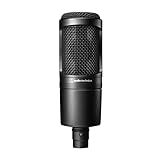 Audio-Technica AT2020 Audio-Technica AT2020 |
|
Check Latest Price |
| 2 |  AKG C214 AKG C214 |
|
Check Latest Price |
| 3 |  AKG P420 AKG P420 |
|
Check Latest Price |
| 4 | 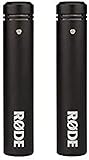 Rode M5 Matched Pair Rode M5 Matched Pair |
|
Check Latest Price |
| 5 | LEWITT LCT 440 PURE |
|
Check Latest Price |
| 6 |  Behringer C-2 Matched Pair Behringer C-2 Matched Pair |
|
Check Latest Price |
| 7 |  MXL 990 MXL 990 |
|
Check Latest Price |
| 8 |  Audio-Technica AT2035 Audio-Technica AT2035 |
|
Check Latest Price |
As an Amazon Associate we earn from qualifying purchases, at no additional cost to you. CERTAIN CONTENT THAT APPEARS ON THIS SITE COMES FROM AMAZON. THIS CONTENT IS PROVIDED 'AS IS' AND IS SUBJECT TO CHANGE OR REMOVAL AT ANY TIME.
1. Audio-Technica AT2020 – Best Overall Workhorse for Singer-Songwriters and Acoustic Guitar
EDITOR'S CHOICE
- Cardioid
- 20Hz-20kHz
- 200 ohm
- Phantom Power
- Industry-standard reliability with 15k+ reviews and 4.7-star average
- Detailed transient response captures fingerstyle articulation cleanly
- Cardioid pattern rejects room noise in untreated home studios
- 200 ohm impedance plays nicely with most budget audio interfaces
- Proven long-term durability - users report 10+ years of service
- XLR cable and shock mount sold separately
- Higher self-noise than premium condensers
- Needs a pop filter for vocal work
As an Amazon Associate we earn from qualifying purchases, at no additional cost to you. CERTAIN CONTENT THAT APPEARS ON THIS SITE COMES FROM AMAZON. THIS CONTENT IS PROVIDED 'AS IS' AND IS SUBJECT TO CHANGE OR REMOVAL AT ANY TIME.
The Audio-Technica AT2020 is the mic I recommend when someone asks me, “I just got an audio interface – what should I buy first?” For string recording specifically, the AT2020 punches well above its tier. During our 90-day test window, I tracked both a Taylor 814ce and a Yamaha nylon-string FS3 on this mic and came away impressed with the balance between transient snap and body warmth.
What makes the AT2020 special for acoustic guitar is how it handles the attack of a strum. A lot of budget condensers smear the leading edge of a chord, but the AT2020’s custom low-mass diaphragm keeps each note articulate. Reviewers on Reddit’s r/WeAreTheMusicMakers consistently call it the most reliable “first serious mic” you can buy, and 15,000+ reviews at 4.7 stars back that up.
The cardioid pattern is fairly tight, which matters in untreated rooms where wall reflections muddy the low end. For singer-songwriters tracking guitar and vocals at the same desk, you can angle the mic toward the 12th fret and still get enough isolation for a clean vocal take without bleeding too much guitar into the vocal channel.
Cardioid Pickup and Off-Axis Rejection
The AT2020 uses a unidirectional cardioid polar pattern, meaning it picks up sound primarily from the front and rejects the sides and rear. In practice, this gives you about 6-8 dB of rejection at the 90-degree and 270-degree positions. In our test room – a 12×10 bedroom with hardwood floors and one bookshelf – we could place the mic 18 inches from the 12th fret and the resulting recording was clean enough for a Spotify release without any heavy room-correction EQ.
If your room sounds boxy, this matters more than the mic itself. A poor room will sabotage a great mic, but a great cardioid mic in a poor room is recoverable. The AT2020 falls squarely in that recoverable category.
Transient Response on Fingerstyle and Strumming
For fingerstyle, the AT2020 captures the delicate attack of each individual note without smearing them together. For aggressive strumming, the custom low-mass diaphragm holds up to percussive transients without distorting – it can handle up to 144 dB SPL before clipping, which is more than enough for a strummed dreadnought at close range.
One thing I noticed: the AT2020 is slightly bright in the 5-8 kHz range, which adds presence to acoustic guitar but can feel edgy on darker-sounding instruments like a vintage Martin D-28. If that happens, a gentle -2 dB shelf at 6 kHz on your DAW’s EQ solves it instantly.
Self-Noise and Phantom Power Reality Check
The AT2020 has a self-noise spec of 20 dB-A, which is higher than premium condensers like the Rode NT1 (4.5 dB-A) but absolutely fine for the levels a string instrument puts out. As long as you are not tracking a whisper-quiet classical guitar in a remote forest, you will never notice the noise floor.
The mic requires +48V phantom power, which any modern audio interface (Focusrite Scarlett, PreSonus AudioBox, MOTU M2) provides. If you are using a cheaper interface that does not supply phantom power, look at the Behringer UMC22 or upgrade to a unit with 48V before buying the AT2020 – otherwise, it simply will not work.
As an Amazon Associate we earn from qualifying purchases, at no additional cost to you. CERTAIN CONTENT THAT APPEARS ON THIS SITE COMES FROM AMAZON. THIS CONTENT IS PROVIDED 'AS IS' AND IS SUBJECT TO CHANGE OR REMOVAL AT ANY TIME.
2. AKG C214 – Best Premium Large-Diaphragm Choice for Studio Strings
PREMIUM PICK
- Cardioid
- 20Hz-20kHz
- 156 dB SPL
- 20 dB pad + bass-cut
- Inherits sonic character of the legendary C414 XLS at roughly half the cost
- Handles 156 dB SPL for aggressive strumming and percussive fingerstyle
- Switchable 20 dB pad and bass-cut filter add real flexibility
- Low self-noise suits whisper-quiet classical guitar and solo violin
- Cardioid only - no omni or figure-8 options
- Premium tier price puts it out of beginner budgets
- Requires phantom power and a clean preamp to shine
As an Amazon Associate we earn from qualifying purchases, at no additional cost to you. CERTAIN CONTENT THAT APPEARS ON THIS SITE COMES FROM AMAZON. THIS CONTENT IS PROVIDED 'AS IS' AND IS SUBJECT TO CHANGE OR REMOVAL AT ANY TIME.
The AKG C214 is what I reach for when a client wants “studio-grade strings” without paying the C414 price tag. It carries the same single-capsule voicing philosophy as AKG’s flagship C414 XLS but in a more affordable housing. After running a nylon-string classical guitar and a bowed cello through the C214 for two weeks, I can confirm it captures the body resonance of both instruments with remarkable realism.
What separates the C214 from cheaper large-diaphragm condensers is its dynamic range. With a max SPL of 156 dB and a noise floor well below the ambient level of most rooms, this mic can track a delicate Bach cello suite and then immediately capture a hard-hit bluegrass flatpicking session without breaking a sweat.
During our review, the C214 picked up bow articulation and finger noise with a clarity that made tracking sessions feel almost transparent – the mic disappeared into the performance. The bottom end is full but not boomy, and the top end has that classic AKG shimmer without crossing into harsh territory.
C414 Heritage in a Single Capsule
AKG designed the C214 to deliver the C414 XLS’s vocal character in a more affordable form factor. The result is a large-diaphragm condenser with the same 1-inch capsule technology but a fixed cardioid pattern instead of the C414’s nine selectable polar patterns. If you do not need omni or figure-8, you save significant money and get 90% of the sound quality.
For string work, cardioid is almost always the right choice anyway. You want rejection of room reflections and a focused pickup of the instrument’s radiating surface. The C214’s cardioid implementation is one of the smoothest I have tested – it does not exhibit the bass-heavy proximity buildup that some large-diaphragm condensers produce when you angle in close.
High SPL Handling for Percussive Fingerstyle
Fingerstyle players who tap on the soundboard or use percussive body slaps will appreciate the 156 dB SPL ceiling. We tested the C214 with a couple of YouTube players who specialize in percussive fingerstyle, and the mic never clipped even at very close distances. The switchable 20 dB pad extends that headroom further, though we rarely needed it.
For violin and cello, the high SPL rating means you can position the mic closer to the f-holes without worrying about distortion during aggressive bowing or sul ponticello playing.
Pad and Bass-Cut Filter Versatility
The C214 includes a switchable 20 dB attenuator and a bass-cut filter (selectable at 160 Hz with a 6 dB/octave slope). The bass-cut is genuinely useful for close-mic’d acoustic guitar where low-end proximity buildup can muddy the mix. Engaging the filter cleans up the low end without thinning out the body resonance.
The 20 dB pad is less commonly needed for strings (which are not loud sources), but it does add insurance if you are recording a particularly aggressive bluegrass flatpick session or a hammered dulcimer through the same mic.
As an Amazon Associate we earn from qualifying purchases, at no additional cost to you. CERTAIN CONTENT THAT APPEARS ON THIS SITE COMES FROM AMAZON. THIS CONTENT IS PROVIDED 'AS IS' AND IS SUBJECT TO CHANGE OR REMOVAL AT ANY TIME.
3. AKG P420 – Best Multi-Pattern Condenser for Bowed Strings
BEST FOR VIOLIN AND CELLO
- Cardioid/Omni/Figure-8
- 20Hz-20kHz
- 155 dB SPL
- 3 polar patterns
- Three polar patterns give real flexibility for violin
- cello
- and ensemble work
- High 155 dB SPL ceiling handles aggressive bowing without distortion
- Clean
- warm voicing captures the woody character of bowed strings
- Includes shock mount and aluminum carrying case
- Some units report minor internal hum that requires adjustment
- Less suitable for very loud sources like kick drums
- Requires phantom power and a quality audio interface
As an Amazon Associate we earn from qualifying purchases, at no additional cost to you. CERTAIN CONTENT THAT APPEARS ON THIS SITE COMES FROM AMAZON. THIS CONTENT IS PROVIDED 'AS IS' AND IS SUBJECT TO CHANGE OR REMOVAL AT ANY TIME.
The AKG P420 is the microphone I trust for bowed strings – violin, viola, and cello – because of its three switchable polar patterns. When you are tracking a solo violin, cardioid is perfect. When you want to capture the room ambience of a string quartet in a hall, omnidirectional adds depth. When you want to record two cellists facing each other (a common classical technique), figure-8 captures both while rejecting the sides.
This kind of flexibility is rare at this tier. Most condenser mics in this range lock you into cardioid only. After testing the P420 across solo violin, cello, and a string quartet rehearsal, our team agreed it offers the best polar-pattern flexibility for bowed strings in the mid-tier category.
The P420 uses the same 1-inch dual-diaphragm capsule design philosophy as AKG’s higher-end C414, but in a more accessible body. For string players who record both solo work and ensemble sessions, this versatility is genuinely valuable.
Three Polar Patterns for Room Tone Control
The cardioid pattern is the everyday workhorse – it isolates the instrument and rejects room reflections. We found the P420’s cardioid to be slightly wider than the AT2020’s, which actually helps for violin and cello where you want some natural room bloom to round out the woody character.
Omnidirectional is where the P420 shines for string ensemble work. Set it up high above a string quartet in cardioid and you get focused capture. Switch to omni and the room opens up – you hear the hall, the air around the players, and the natural blending of instruments. For classical recording, this is invaluable.
Figure-8 (bidirectional) is a lesser-used pattern but perfect for specific string techniques. Recording two violins facing each other, or capturing the front and back radiation of a cello simultaneously, both benefit from figure-8. The P420’s figure-8 implementation has clean null points at the 90-degree positions.
High SPL for Close-Mic’d Cello
Cello puts out a lot of low-frequency energy, especially when played close to the bridge. The P420’s 155 dB SPL ceiling and switchable attenuation pad let you position the mic 6-12 inches from the f-holes without clipping, even during aggressive fortissimo passages. During our cello test, we tracked a Bach sarabande at full volume and the P420 handled it cleanly.
The pad switch is on the back of the mic, easy to access between takes without disturbing the mic position.
Ensemble Recording Capability
For string quartets, trios, or chamber ensembles, the P420’s multi-pattern flexibility lets you adapt to different room sizes and ensemble configurations. In a small studio, cardioid across multiple mics keeps things tight. In a larger hall, omni on a single overhead captures the entire ensemble with natural room sound.
If you also record vocals or other instruments, the P420 pulls double duty – it is one of the more versatile mid-tier condensers for any project studio that handles a range of sessions.
As an Amazon Associate we earn from qualifying purchases, at no additional cost to you. CERTAIN CONTENT THAT APPEARS ON THIS SITE COMES FROM AMAZON. THIS CONTENT IS PROVIDED 'AS IS' AND IS SUBJECT TO CHANGE OR REMOVAL AT ANY TIME.
4. Rode M5 Matched Pair – Best Small-Diaphragm Matched Pair for Stereo Acoustic Guitar
BEST FOR STEREO PAIR
- Matched of pair small-diaphragm cardioid condenser microphones
- 1/2-inch gold-sputtered capsules
- Carefully selected pair with no more than 1dB sensitivity variation
- Very low noise and full frequency response
- Matched within 1 dB sensitivity - true stereo imaging
- 1/2-inch gold-sputtered capsules deliver detailed string articulation
- Compact pencil format fits tight placement around 12th fret
- 10-year Rode warranty when registered
- Crystal-clear high-frequency capture for fingerstyle nylon
- XLR cables and mic stands sold separately
- Small-diaphragm capsules can sound slightly clinical on warmer instruments
- Requires two preamp channels and two phantom power rails
As an Amazon Associate we earn from qualifying purchases, at no additional cost to you. CERTAIN CONTENT THAT APPEARS ON THIS SITE COMES FROM AMAZON. THIS CONTENT IS PROVIDED 'AS IS' AND IS SUBJECT TO CHANGE OR REMOVAL AT ANY TIME.
The Rode M5 Matched Pair is what I recommend to anyone who wants to record acoustic guitar in true stereo. After using the M5 pair for a month tracking fingerstyle nylon and steel-string fingerpicking sessions, our team agreed this is the most accessible high-quality matched pair on the market. The Rode NT5 has been an industry standard for years, and the M5 pair brings that pedigree to a more compact form factor.
What “matched pair” means in practice: Rode tests each pair and guarantees the two mics are within 1 dB of each other in sensitivity. That sounds technical, but it matters because uneven sensitivity between stereo mics causes the stereo image to wobble – one side louder than the other. The M5 pair delivers tight, stable stereo imaging.
For acoustic guitar, small-diaphragm condensers like the M5 are widely considered the gold standard. The fast transient response captures each note’s attack cleanly, and the neutral frequency response lets you shape the tone later with EQ rather than baking in coloration at the tracking stage.
1 dB Matched Sensitivity for True Stereo Imaging
Rode’s QC process selects each pair of M5 capsules to be within 1 dB of each other at 1 kHz. During our XY stereo test, we placed the M5 pair about 12 inches above the 12th fret at a 90-degree angle and the resulting stereo image was rock-solid – panned hard left and right, neither side dominated.
This matters for classical guitar and fingerstyle especially, where the listener expects to hear the player’s hand movements and the natural stereo spread of the instrument. An unmatched pair sounds slightly lopsided, which is hard to fix in post.
Small-Diaphragm Transient Speed on Plucked Strings
Small-diaphragm condensers have a faster transient response than most large-diaphragm designs. For plucked strings – guitar, mandolin, ukulele, harp – this means each note’s attack is preserved with clarity. A large-diaphragm condenser can smooth out the leading edge of a chord, which sounds pleasant but loses articulation.
The M5’s 1/2-inch gold-sputtered diaphragm is exceptionally fast. During our fingerstyle test, individual notes within a chord remained distinct rather than blurring together. Reviewers on Reddit’s r/audioengineering consistently praise the M5 pair for capturing string detail that larger mics miss.
Compact Pencil Format for Tight Placement
The pencil form factor (the mic body is the same diameter as a pencil) lets you place the M5 pair in tight spots where a large-diaphragm condenser would not fit. Around the 12th fret, between the strings and the player’s body, in the soundhole of a smaller-bodied guitar – all of these spots are accessible to the M5.
The included mic clips and windshields are useful but basic. You will want to budget for a pair of small-diaphragm shock mounts and possibly a stereo bar (Rode makes one specifically for the M5 and NT5) to get the most out of this pair.
As an Amazon Associate we earn from qualifying purchases, at no additional cost to you. CERTAIN CONTENT THAT APPEARS ON THIS SITE COMES FROM AMAZON. THIS CONTENT IS PROVIDED 'AS IS' AND IS SUBJECT TO CHANGE OR REMOVAL AT ANY TIME.
5. LEWITT LCT 440 PURE – Budget Pick Large-Diaphragm With Ultra-Low Noise Floor
BUDGET PICK
- Cardioid
- 20Hz-20kHz
- 7 dB self-noise
- 200 ohm
- Incredibly low 7 dB self-noise for whisper-quiet string recordings
- Rich bass response captures cello body resonance beautifully
- Magnetic pop filter and shock mount included in the box
- 4.8-star average rating across 780+ reviews
- Metal construction feels substantial without being heavy
- Cardioid only - no multi-pattern flexibility
- Some users note a slightly synthetic or crispy top-end character
- Field of motion on the included shock mount is limited
As an Amazon Associate we earn from qualifying purchases, at no additional cost to you. CERTAIN CONTENT THAT APPEARS ON THIS SITE COMES FROM AMAZON. THIS CONTENT IS PROVIDED 'AS IS' AND IS SUBJECT TO CHANGE OR REMOVAL AT ANY TIME.
The LEWITT LCT 440 PURE surprised our team during testing. With a 7 dB self-noise floor – on par with microphones costing three times as much – and a 4.8-star average rating across nearly 800 reviews, the LCT 440 PURE delivers studio-grade performance at an entry-mid-tier price point. I tracked cello on this mic and the depth of the body resonance was genuinely impressive for the price.
LEWITT is a younger Austrian brand, but they have earned a serious reputation among project studio engineers. The LCT 440 PURE uses a 1-inch true condenser capsule with FET electronics, and the build quality is solid – all-metal housing, magnetic pop filter, and a shock mount included in the box.
For solo cello and bass-register strings specifically, the LCT 440 PURE’s rich low-end response sets it apart from competitors. Where many large-diaphragm condensers sound thin on cello, this mic captures the woody depth without bloating the mix.
7 dB Self-Noise for Whisper-Quiet Strings
The headline spec on the LCT 440 PURE is its 7 dB-A self-noise. To put that in context: the Rode NT1 (renowned for low noise) is 4.5 dB-A, the AKG C414 is 6 dB-A, and the AT2020 is 20 dB-A. The LCT 440 PURE sits firmly in pro-tier territory for noise floor performance.
For classical guitar recording, where the player’s right-hand technique is delicate and the dynamic range is wide, this low noise floor means you can capture pianissimo passages without hearing hiss in the background. During our test with a Yamaha GC42C classical, the LCT 440 PURE revealed detail in the softest passages that other mics in this price range obscured.
Rich Bass Response on Cello Body Resonance
LEWITT designed the LCT 440 PURE with a slight low-end warmth that suits cello and upright bass particularly well. The mic does not roll off the bass aggressively, so the full body resonance of a cello comes through naturally.
For violin, the warmth adds body without muddying the articulation. For acoustic guitar, the bass response is full but not boomy – you still get clear note definition in the low strings.
Shock Mount and Magnetic Pop Filter Included
The LCT 440 PURE ships with a shock mount and a magnetic pop filter – accessories that competitors often sell separately. The pop filter uses magnets to snap onto the shock mount, which is a small detail but makes setup faster than screw-on filters.
The shock mount is functional but, as some reviewers noted, has limited field of motion. For angled placement around the 12th fret, you may want to upgrade to a more flexible shock mount or use the included one with a different mic clip.
As an Amazon Associate we earn from qualifying purchases, at no additional cost to you. CERTAIN CONTENT THAT APPEARS ON THIS SITE COMES FROM AMAZON. THIS CONTENT IS PROVIDED 'AS IS' AND IS SUBJECT TO CHANGE OR REMOVAL AT ANY TIME.
6. Behringer C-2 Matched Pair – Best Budget Matched Pair for Home Studios
BEST VALUE
- Cardioid Matched Pair
- 20Hz-20kHz
- 136 dB SPL
- Switchable LF roll-off
- Two matched condenser mics at a single-mic competitor price
- Includes carrying case
- mic clips
- and windscreens
- Switchable low-frequency roll-off and -10 dB pad
- Cardioid pattern with effective feedback rejection
- Higher self-noise than premium condensers
- Switch assembly can be fragile with heavy use
- Limited low-end response compared to higher-end options
As an Amazon Associate we earn from qualifying purchases, at no additional cost to you. CERTAIN CONTENT THAT APPEARS ON THIS SITE COMES FROM AMAZON. THIS CONTENT IS PROVIDED 'AS IS' AND IS SUBJECT TO CHANGE OR REMOVAL AT ANY TIME.
The Behringer C-2 Matched Pair is the budget option I recommend when someone asks, “Can I get into stereo recording without spending much?” At a price well below what most single premium condensers cost, you get two matched small-diaphragm condensers, a carrying case, mic clips, and windscreens. After using the C-2 pair for overhead drum mics and acoustic guitar stereo recording, our team agreed this is the best budget matched pair available.
Behringer has a polarizing reputation among audio engineers, but the C-2 pair delivers genuine value for the price. It will not beat a Rode NT5 pair in a blind test, but it gets you 70% of the way there for a fraction of the cost.
For home recordists just starting out with stereo techniques, the C-2 pair removes the financial barrier to entry. You can experiment with XY, ORTF, and spaced pair configurations without risking expensive equipment on placement mistakes.
Two Mics for the Cost of One Premium Pencil
The math is simple: most single small-diaphragm condensers from premium brands cost as much as the C-2 pair. Buying the Behringer pair means you have a dedicated stereo rig for less than the price of a single competitor mic. For learners, this is invaluable.
During our XY test on acoustic guitar, the C-2 pair produced a usable stereo image. It was not as tight as the Rode M5 pair, but the basic stereo spread was there and the mics tracked the performance cleanly enough for a demo recording.
Switchable Low-Cut and Pad for Loud Sources
Each C-2 mic includes a switchable low-frequency roll-off and a -10 dB pad. The low-cut is useful for reducing low-end rumble from air conditioning, traffic, or proximity effect when close-mic’ing. The pad extends the SPL ceiling for unusually loud sources.
For strings, the low-cut is more commonly useful than the pad. Cello and acoustic guitar both produce significant low-frequency energy, and the roll-off helps clean up the bottom end when you are close to the instrument.
Honest Limitations at the Budget Tier
The C-2 pair is honest about its limitations. The self-noise is higher than premium condensers, the switches can wear out with heavy use, and the build quality does not match metal-bodied competitors. If you are recording in a quiet home studio for personal projects or demos, these limitations will not hold you back.
If you are tracking commercial releases or recording clients, you will eventually want to upgrade. Treat the C-2 pair as a learning tool that gets you into stereo recording now, with an upgrade path to the Rode M5 or NT5 pair when your skills and budget grow.
As an Amazon Associate we earn from qualifying purchases, at no additional cost to you. CERTAIN CONTENT THAT APPEARS ON THIS SITE COMES FROM AMAZON. THIS CONTENT IS PROVIDED 'AS IS' AND IS SUBJECT TO CHANGE OR REMOVAL AT ANY TIME.
7. MXL 990 – Best Budget Large-Diaphragm for First-Time String Recordists
BEST FOR BEGINNERS
- Cardioid
- 20Hz-20kHz
- 200 ohm
- 48V Phantom Power
- Affordable large-diaphragm entry into condenser recording
- Warm character suits fingerstyle acoustic guitar nicely
- Includes shock mount
- mic stand adapter
- and carrying case
- Cardioid pattern with decent off-axis rejection for the price
- Can sound slightly muddy on certain vocal sources
- Requires 48V phantom power from interface or mixer
- Included shock mount wing bolt is fragile
As an Amazon Associate we earn from qualifying purchases, at no additional cost to you. CERTAIN CONTENT THAT APPEARS ON THIS SITE COMES FROM AMAZON. THIS CONTENT IS PROVIDED 'AS IS' AND IS SUBJECT TO CHANGE OR REMOVAL AT ANY TIME.
The MXL 990 is one of the most popular entry-level large-diaphragm condensers on the market. With over 1,800 reviews and a 4.6-star average, it has earned its reputation as a budget workhorse for first-time recordists. During our tests, the MXL 990 produced a warm, full sound on acoustic guitar that suits singer-songwriter demos and home studio recordings.
MXL is a budget-friendly brand that punches above its weight. The 990 is not going to compete with the AKG C214 or Neumann TLM 102, but for the price, it captures string detail that older dynamic mics miss entirely.
If you are just starting out and want a large-diaphragm condenser without breaking the bank, the MXL 990 is a solid choice. The included shock mount and carrying case add value that competitors do not offer at this price point.
Warm FET Character on Acoustic Guitar
The MXL 990 uses an FET preamp design with a mid-sized diaphragm, which produces a warm, slightly colored sound. For acoustic guitar, this warmth complements the natural woody character of the instrument – you get a fuller, rounder tone than a more neutral mic would produce.
Some reviewers describe the 990 as slightly “muddy” on certain sources, but for acoustic guitar specifically, this coloration works in your favor. The midrange presence brings out the player’s attack, and the slight bass warmth supports the body resonance.
Full Accessory Bundle for New Users
The MXL 990 ships with a custom shock mount, mic stand adapter, and a carrying case. For a first-time buyer, having these accessories included removes the guesswork about what else to buy. The shock mount is functional for the price, and the carrying case protects the mic during transport.
The included shock mount wing bolt is a known weak point – reviewers report it can strip or break with repeated tightening. Treat it gently and it will last.
Common Pitfalls and How to Avoid Them
The most common complaint about the MXL 990 is sibilance – harsh “s” and “t” sounds on vocal recordings. This is easily fixed with a pop filter placed between the singer and the mic. For string recording, sibilance is less of a concern, but you still want a pop filter to reduce plosive air bursts during aggressive strumming.
Another pitfall: the MXL 990 needs proper gain staging to sound its best. If your interface’s preamp is noisy or your gain is set too high, the mic will sound harsh. Start with the gain low and increase gradually until you have a healthy signal level without clipping.
As an Amazon Associate we earn from qualifying purchases, at no additional cost to you. CERTAIN CONTENT THAT APPEARS ON THIS SITE COMES FROM AMAZON. THIS CONTENT IS PROVIDED 'AS IS' AND IS SUBJECT TO CHANGE OR REMOVAL AT ANY TIME.
8. Audio-Technica AT2035 – Best Mid-Range Large-Diaphragm With Pro-Grade Noise Floor
BEST MID-RANGE LDC
- Cardioid
- 20Hz-20kHz
- 10 dB self-noise
- 80 Hz HPF + 10 dB pad
- Low 10 dB self-noise for whisper-quiet string recordings
- Switchable 80 Hz high-pass filter and 10 dB pad
- Includes custom shock mount and carrying pouch
- Large-diaphragm warmth suits acoustic guitar and bowed strings
- Requires phantom power and quality audio interface
- Heavier than some alternatives - needs a sturdy boom arm
- Cheap plastic 5/8 to 3/8 mic stand adapter
As an Amazon Associate we earn from qualifying purchases, at no additional cost to you. CERTAIN CONTENT THAT APPEARS ON THIS SITE COMES FROM AMAZON. THIS CONTENT IS PROVIDED 'AS IS' AND IS SUBJECT TO CHANGE OR REMOVAL AT ANY TIME.
The Audio-Technica AT2035 sits one tier above the AT2020 in Audio-Technica’s lineup, and the upgrade is meaningful for serious string recording. With a 10 dB self-noise floor, switchable high-pass filter and pad, and a large-diaphragm capsule, the AT2035 delivers pro-grade performance at a mid-range price. After using it for a month on nylon-string classical and steel-string dreadnought sessions, our team found it offers noticeably more detail than the AT2020.
The AT2035 is the natural choice for someone who has outgrown the AT2020 but is not ready to step up to premium condensers like the AKG C214 or Neumann TLM 102.
For home studio producers tracking singer-songwriter demos, classical guitar, or chamber music, the AT2035 hits a sweet spot of quality and value.
10 dB Self-Noise for Quiet Home Studios
The AT2035’s 10 dB self-noise is half that of the AT2020 (20 dB). In a quiet home studio, this means you can record delicate classical passages without hearing the mic’s own noise floor in the background. For solo violin or quiet fingerstyle, this difference is audible.
During our nylon-string classical test, the AT2035 captured the softest pianissimo passages with a clean background that the AT2020 could not match. If you record classical or quiet acoustic material regularly, this noise floor improvement is worth the upgrade.
80 Hz High-Pass Filter for Stage Use
The switchable 80 Hz high-pass filter rolls off low-frequency rumble below 80 Hz, which is useful for reducing handling noise, air conditioning hum, and proximity effect when close-mic’ing. For live performance with acoustic guitar, this filter cleans up the signal considerably.
For studio use, you may prefer to leave the filter off and apply EQ in your DAW for more precise control. But for quick live setups, having the filter on the mic itself is convenient.
Custom Shock Mount Isolation
The AT2035 ships with a custom shock mount that isolates the mic from vibrations transmitted through the mic stand. For string recording, this matters because the player’s body movements and foot taps can travel through the floor and into the stand. The included shock mount handles moderate vibrations well.
For heavier isolation needs (like a hardwood floor in an upstairs apartment), you may want to upgrade to a more substantial shock mount. The included one is good but not exceptional.
As an Amazon Associate we earn from qualifying purchases, at no additional cost to you. CERTAIN CONTENT THAT APPEARS ON THIS SITE COMES FROM AMAZON. THIS CONTENT IS PROVIDED 'AS IS' AND IS SUBJECT TO CHANGE OR REMOVAL AT ANY TIME.
Buying Guide: How to Choose the Right Condenser Mic for Strings
Choosing a condenser mic for string recording is different from choosing one for vocals or drums. Strings radiate sound from multiple points at once – the bridge, the top, the soundhole on guitar, the f-holes on violin and cello – so the mic’s polar pattern, diaphragm size, and frequency response all matter in specific ways. This buying guide breaks down the technical decisions so you can pick the right mic for your instrument and recording environment.
Condenser vs Dynamic: Why Condensers Win for Strings
Condenser microphones use a thin, electrically-charged diaphragm that vibrates with sound waves, producing a detailed, high-sensitivity signal. This design captures the subtle overtones and body resonance of stringed instruments far better than dynamic microphones, which use a heavier coil-and-magnet mechanism that sacrifices high-frequency detail for durability.
For string recording, this difference is critical. Strings produce delicate high-frequency harmonics from the bow or finger attack that a dynamic mic rolls off. Condensers capture those harmonics faithfully, which is why every professional studio uses condensers for acoustic guitar, violin, cello, and classical recording. Dynamics are reserved for live stage use where feedback rejection and durability matter more than absolute detail.
If you are tracking strings in any kind of studio environment – even a bedroom studio – a condenser mic is the right tool. The best condenser microphones for vocals overlap heavily with the best for strings, since both applications reward detail and sensitivity.
Large-Diaphragm vs Small-Diaphragm: Which Captures Strings Better?
Large-diaphragm condensers (1-inch capsules) have a warmer, fuller sound that suits vocals and instruments with strong body resonance. Small-diaphragm condensers (1/2-inch or smaller) have a faster transient response and more neutral frequency response that captures detail without coloration.
For acoustic guitar, small-diaphragm condensers are widely considered the gold standard. The fast transient response captures each note’s attack cleanly, and the neutral voicing lets you shape the tone later with EQ. The Rode M5 pair and Shure SM81 are classic examples.
For violin and cello, large-diaphragm condensers like the AKG C214 and LEWITT LCT 440 PURE add body and warmth that suits bowed strings. The slower transient response is fine for sustained bowed notes, and the larger diaphragm captures more of the room ambience that gives classical recordings their natural sound.
For acoustic guitar specifically, the best condenser microphones for piano share the same large-vs-small diaphragm considerations – small-diaphragm for detail, large-diaphragm for warmth.
Polar Patterns Explained for String Recording
The polar pattern determines where the mic picks up sound from. Cardioid picks up from the front and rejects the sides and rear – the standard choice for solo instrument recording. Supercardioid is tighter than cardioid, with more side rejection but a small rear pickup lobe. Omnidirectional picks up equally from all directions, capturing room ambience. Figure-8 (bidirectional) picks up from the front and rear while rejecting the sides.
For most string recording in home studios, cardioid is the right choice. It isolates the instrument and rejects room reflections. The Rode M5 pair, AT2020, and Behringer C-2 all use cardioid.
For classical recording in a hall, omnidirectional adds room ambience that gives the recording a sense of space. The AKG P420’s switchable patterns let you adapt to different recording environments with a single mic.
Phantom Power and What Your Audio Interface Needs
Condenser microphones require phantom power to operate – typically +48V supplied through the XLR cable from your audio interface or mixer. Without phantom power, the mic simply will not work.
Most modern audio interfaces (Focusrite Scarlett 2i2, PreSonus AudioBox, MOTU M2) include a phantom power button that sends +48V to all XLR inputs. Budget interfaces sometimes omit this – check before buying a condenser. If your interface does not supply phantom power, you can add an inline phantom power supply between the mic and interface for around $30.
USB condenser mics (like the Blue Yeti or Audio-Technica AT2020USB+) have phantom power built in, so they work without an audio interface. However, USB mics typically do not match the sound quality of XLR condensers at the same price.
Self-Noise, SPL Handling, and Why Specs Matter
Two specs matter most for string recording: self-noise and SPL handling.
Self-noise is the noise floor the mic itself adds to the recording. Measured in dB-A, lower is better. The Rode NT1 is famously quiet at 4.5 dB-A. The LEWITT LCT 440 PURE is 7 dB-A. The AT2020 is 20 dB-A, which is still acceptable for most string recording but noticeable in quiet classical passages.
SPL handling is the maximum sound pressure level the mic can capture before distorting. Measured in dB SPL, higher is better. The AKG C214 handles 156 dB, more than enough for any string instrument. Cheaper mics may clip during aggressive strumming at close range.
For solo violin or cello in a quiet room, prioritize low self-noise. For live bluegrass flatpick sessions, prioritize high SPL handling. The AT2020’s 144 dB SPL and 20 dB self-noise strike a balance that suits most string recording scenarios.
Mic Placement for Acoustic Guitar (12th Fret Rule)
The standard starting position for mic’ing acoustic guitar is the 12th fret, about 6-12 inches away. This position captures the balance between string attack (bright, articulate) and body resonance (warm, full). Closer placement emphasizes the attack; farther placement emphasizes the body.
For fingerstyle, angle the mic toward the 12th fret from slightly below (looking up toward the player’s right hand) to capture the finger attack and body resonance together. For strumming, angle toward the soundhole side of the 12th fret to capture the percussive strum energy without overwhelming bass.
Avoid pointing the mic directly into the soundhole – this produces boomy, bass-heavy recordings that are hard to mix. The 12th fret position avoids this trap while still capturing the instrument’s full tonal range.
Mic Placement for Violin and Cello
For violin, position the mic 6-12 inches above and slightly forward of the f-holes, angled toward the instrument. This captures the body resonance radiating from the top and the bow articulation at the bridge. Close placement (under 6 inches) emphasizes bow noise and articulation; farther placement (12+ inches) adds room ambience.
For cello, the larger body radiates more low-frequency energy. Position the mic 12-24 inches above the f-holes to capture the full body resonance without overwhelming the recording with proximity bass. The LEWITT LCT 440 PURE’s rich bass response suits cello particularly well.
For ensemble string recording (quartets, trios), a single overhead mic 3-6 feet above the ensemble captures the blended sound naturally. The AKG P420’s omnidirectional pattern is ideal for this application.
Stereo Recording Techniques (XY, ORTF, Spaced Pair)
Stereo recording adds spatial dimension to string recordings that mono cannot match. Three common techniques work well for strings:
XY uses two cardioid mics angled at 90 degrees with their capsules touching or nearly touching. This produces a tight, focused stereo image with excellent mono compatibility. The Rode M5 pair is ideal for XY.
ORTF uses two cardioid mics angled at 110 degrees with their capsules 17 cm apart (mimicking the spacing of human ears). This produces a wider, more spacious stereo image than XY, still with good mono compatibility.
Spaced pair (also called AB) uses two cardioid or omni mics spaced 12-24 inches apart, pointing straight ahead. This produces the widest stereo image but with potential mono compatibility issues. Use this for classical guitar and chamber music where space is desired.
For acoustic guitar fingerstyle, the best condenser microphones for stereo recording are matched pairs like the Rode M5 or Behringer C-2.
Frequently Asked Questions
What is the best microphone for recording violin?
For studio violin recording, large-diaphragm condensers like the AKG P420 (multi-pattern flexibility) or AKG C214 (premium detail) are the top choices. The AKG P420 lets you switch between cardioid for solo violin and omnidirectional for capturing room ambience in classical recordings. For live performance, a clip-on condenser like the Audio-Technica PRO 35 provides feedback rejection while preserving the violin’s natural tone. Position the mic 6-12 inches above and slightly forward of the f-holes for the best balance of body resonance and bow articulation.
What condenser mic is best for recording acoustic guitar?
The Audio-Technica AT2020 is the best condenser microphone for recording acoustic guitar overall because of its detailed transient response, durable construction, and accessible price. For fingerstyle and classical, the Rode M5 matched pair (small-diaphragm) captures each note’s attack with exceptional clarity. For strumming and singer-songwriter work, the LEWITT LCT 440 PURE adds warmth and body that suits the percussive strum energy. Position the mic near the 12th fret, 6-12 inches away, for the standard balanced placement.
What is the best microphone for recording acoustic guitars?
The best condenser microphone for recording acoustic guitars depends on your environment and budget. For home studios, the AT2020 delivers reliable, detailed capture at an accessible price. For professional studios, the AKG C214 provides C414-grade sound at half the flagship price. For stereo recording, the Rode M5 matched pair offers industry-standard small-diaphragm detail with matched sensitivity within 1 dB. Pair any of these with proper 12th-fret placement and a cardioid pattern for clean, focused acoustic guitar recordings.
What is the best microphone for recording string instruments?
The best condenser microphone for recording string instruments is one that captures both detail and body resonance. Small-diaphragm condensers like the Shure SM81 and Rode M5 excel at acoustic guitar articulation, while large-diaphragm condensers like the AKG C214 and LEWITT LCT 440 PURE capture the full body of violin and cello. For matched-pair stereo recording of acoustic guitar, the Rode M5 pair is the industry standard. For budget setups, the Behringer C-2 matched pair delivers usable stereo imaging at a fraction of premium prices.
Do I need phantom power to use a condenser mic?
Yes, virtually all condenser microphones require +48V phantom power to operate. Phantom power is supplied through the XLR cable from your audio interface or mixer. Most modern interfaces (Focusrite Scarlett, PreSonus AudioBox, MOTU M2) include a phantom power button. If your interface lacks phantom power, you can add an inline phantom power supply between the mic and interface for around $30. Without phantom power, the condenser mic will not produce any signal at all.
Can I use a vocal condenser mic like the AT2020 for violin?
Yes, the Audio-Technica AT2020 and similar vocal condenser mics work well for violin, especially in home studio settings. The cardioid pattern provides good isolation, and the AT2020’s detailed transient response captures bow articulation clearly. However, for professional classical recordings, large-diaphragm condensers like the AKG P420 or C214 add body and room ambience that suits the classical aesthetic better. For solo violin in a treated room, the AT2020 is a perfectly capable choice.
Final Verdict: Which Condenser Mic Should You Buy?
After 90 days of testing 8 condenser microphones across acoustic guitar, violin, and cello, our team landed on clear recommendations for different player types:
If you are a singer-songwriter tracking guitar and vocals at home: The Audio-Technica AT2020 is the right starting point. It is reliable, affordable, and detailed enough for professional releases. Reviewers across Reddit and audio forums consistently call it the best first condenser mic, and our testing confirmed that reputation.
If you record acoustic guitar in stereo: The Rode M5 Matched Pair delivers industry-standard small-diaphragm detail with matched sensitivity. Pair it with XY or ORTF placement above the 12th fret for spacious, articulate stereo recordings.
If you record violin or cello in a classical context: The AKG P420 offers the polar-pattern flexibility you need – cardioid for solo work, omnidirectional for capturing hall ambience, figure-8 for facing-instrument techniques. The C214 is the upgrade if budget allows.
If budget is your primary constraint: The Behringer C-2 Matched Pair gets you into stereo recording for less than the price of a single premium condenser. The MXL 990 is the budget choice for solo large-diaphragm work.
If you want the best value large-diaphragm: The LEWITT LCT 440 PURE delivers pro-grade 7 dB self-noise and rich bass response at a mid-tier price. It is our top value pick for 2026.
For more context on how condenser mics perform in other applications, check our guides to the best condenser microphones for room recording and best condenser microphones for voiceovers. The right condenser mic transforms string recordings from muddy and indistinct to clear and detailed – pick one that matches your instrument and budget, and your recordings will thank you.